
4 Reasons eKYC May Not Be Working For You
What is eKYC?
Businesses today rely on technology to facilitate and automate their daily operations. One essential component is “electronic know your customer (eKYC) – an identity verification process used to verify customers to mitigate compliance risk and prevent identity fraud. eKYC incorporates biometric verification and document verification tools under its umbrella to ensure that a customer's digital identity is legitimate.nneKYC verification has become a game-changer for many industries, especially fintech companies. Not only does it satisfy every regulatory requirement and prevent fraud, but it also provides a quick, straightforward, and convenient customer onboarding experience. The added experience eliminates the need for customers to visit a physical location and speeds up the identity verification process.
However, there are issues surrounding the existing eKYC process that can cause disruption and delays for businesses and customers alike. If ignored, these issues will, at best, disrupt the user experience. At worst, it will cause unnecessary errors within the onboarding process — pushing away legitimate customers and inviting scrupulous players, thus leading to brand distrust, regulatory and legal problems and loss of revenue.
1. Server Downtime
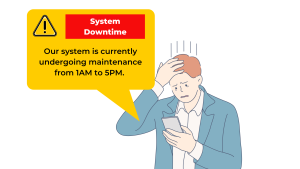
A failed authentication will often occur when servers are down, especially during off-peak hours. This unavailability is caused by scheduled maintenance, software updates, hardware failure, or network outages. When this happens, customers are unable to access the service – resulting in a loss of revenue and reputation.
To address this downtime, an SLA, or Service Level Agreement should be drafted when appointing a service provider. An SLA is a contractual agreement between a provider and the client (the business) that outlines the level of service for the provider and the expectations of the clients. The contract also specifies the measures that the provider will take to minimise downtime as well as the compensation in the event of any unexpected service interruption.
To accurately evaluate an SLA, businesses need to pay attention to certain key points such as service availability, server uptime, and response time. An in-depth review ensures that the server and service uptime is always on the standard. If the SLA does not meet set requirements, the provider should provide compensation to customers or take other steps to make up for the interruption in service.
Fun Fact: Did you know that Innov8tif has an average of 99.975% of uptime?
2. Risks Involving Data Integrity, Security and Access Control
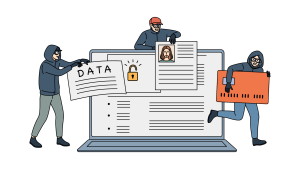
The rapid advancement of technology has given way to the increasing threat of fraud. According to a report published by the Identity Theft Resource Center, there were 1,862 data breaches in 2021, a 68% increase from the previous year (1,108 cases).
The traditional KYC process is no longer sufficient for safeguarding security. Hence, data security and unique identification authority are important concerns for verification systems such as eKYC.
Without proper security, eKYC systems are vulnerable to cyberattacks because sensitive data such as a user's biometric data and identity documents are stored within its database. A single data breach can lead to irreparable damage to a company’s integrity.
Hence, proper access control techniques and encryption are critical in protecting customer data. Selected personnel would have to undergo authentication to be granted access to encrypted data.
3. Scalability
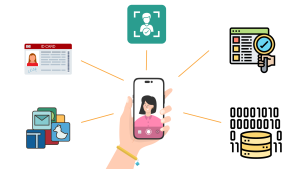
eKYC has proven to be invaluable for businesses as it reduces risk and increases efficiency. However, for it to be truly successful, it needs to be integrated into a scalable system.
To meet customer demands whilst maintaining data security, businesses will need a verification system that can handle changes and growth within the database. A scalable verification system ensures that both the security and growth of data are streamlined.
So what makes a scalable system in eKYC and why is it so important?
A scalable system adapts and handles rapid changes to workloads and user demands. For eKYC systems, this is measured by how well the system responds to changes by adding or removing resources. A scalable system allows businesses to handle a larger frequency of transactions by reducing delays or errors, enabling growth, expanding the customer database, and improving the overall customer experience.
There are a number of ways to implement a scalable system – from creating a flexible design structure to versatile analytics. Having a scalable system in place provides ease of mind for business owners to onboard their customers in an efficient way.
Click here to read about the challenges of digital scaling.
4. User Error
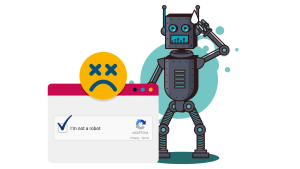
User error is another factor that needs to be accounted for as it is one of the major causes of delays, inaccuracies, and compliance risks for businesses.
For example -- during customer identification processes, it is important that the user follows instructions to capture a clear photo during onboarding. As part of the facial recognition process, there is a degree of responsibility on the user to provide a conducive biometrics sample for facial recognition systems to work with.
A failed ID verification can be caused by a variety of factors, such as bad lighting or angle, poor photo quality, and using a photocopied ID. This is because eKYC systems depend on computer vision technologies like microprint detection and Optical Character Recognition (OCR) to read and scan information on the user’s document.
Each verification system has its own set of complex architecture to keep it secure, and eKYC is no exception. There are a series of checks run during the verification process to ensure that the user’s data is safe while in transit to a database.
How Can eKYC Improve User Experience And Benefit My Business?
Businesses today leverage eKYC by streamlining the ID verification process to improve users' onboarding experiences. It has also proven to be a valuable asset in the fight against fraud.
Moving forward, businesses may need to educate users on how to utilise eKYC to maximise data security. To inform customers of the benefits of eKYC is to ensure a smooth onboarding process while also mitigating compliance risks.
At Innov8tif, we provide verification services with eKYC being one of the few specialties offered. Powered by our flexible EMAS CIDA ecosystem, Innov8tif has assisted numerous businesses from a myriad of industries in 10 ASEAN countries to mitigate frauds and scams. With verification checks done across BFSI, manufacturing industries as well as the local authorities, EMAS CIDA is tailored to suit your business needs and scalable across various applications.
To inquire about any of our products or services, get in touch with our team at sales@innov8tif.com.
Related articles
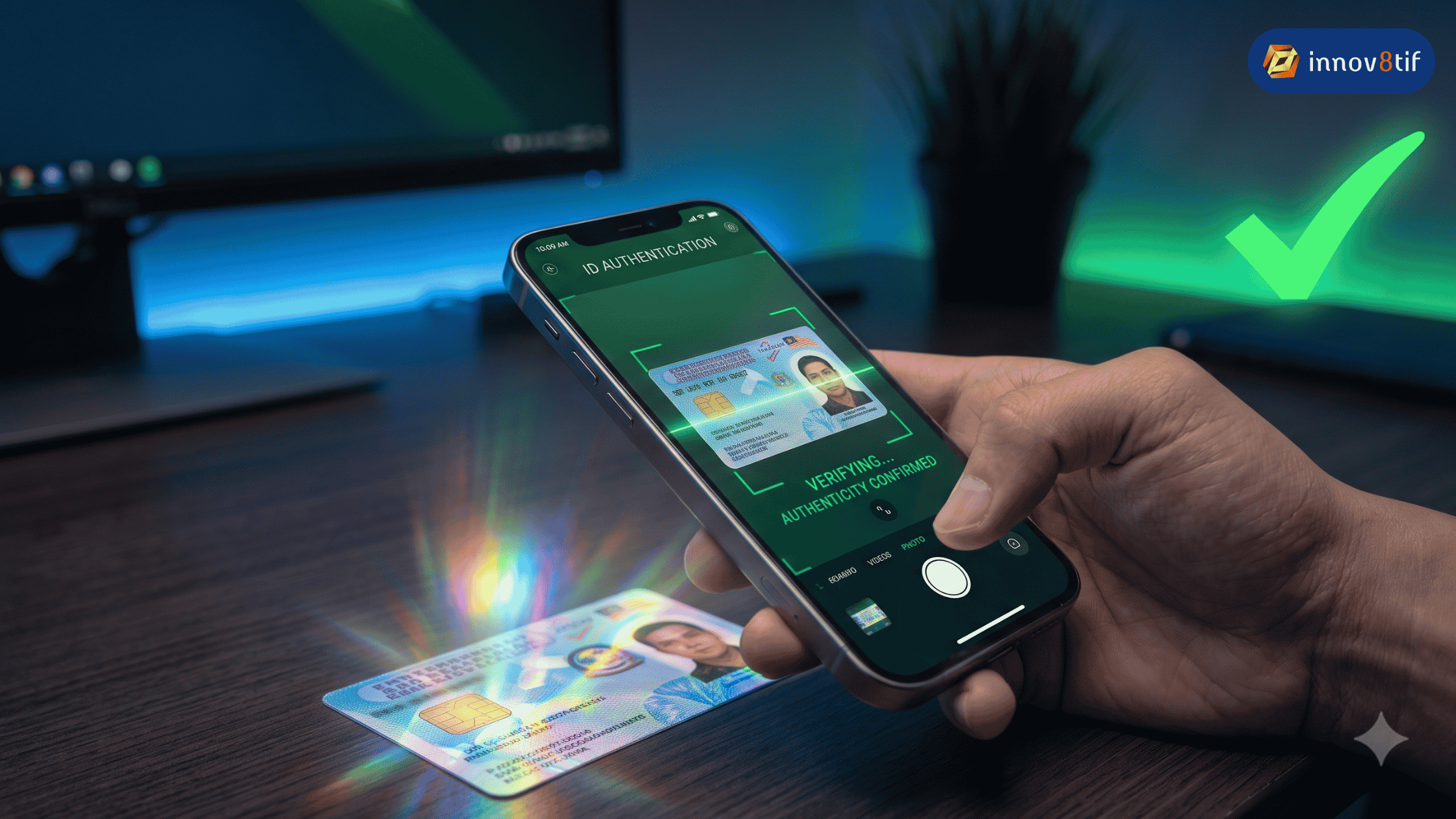
Spotting Fake IDs: How Hologram Tech Keeps Online Sign-Ups Safe

Fraud Prevention Best Practices: Staying Ahead in the Digital Age
Fraud has evolved into one of the most pressing challenges for businesses in the digital age, specifically in industries where trust and identity verification are critical, such as banking, insurance, telecommunications, and e-commerce. Fraudsters are after one thing, and one thing only: your perso

Fraud Prevention in the Digital Age: How AI is Transforming the Fight Against Scams
The onset of the digital age has ushered in remarkable innovations that we never would have thought possible a decade ago. Everything, from the way we work to the way we live our daily lives, has been drastically streamlined by technological advances. However, this progress comes with a double edge