
Is Facial Recognition Technology Secure?
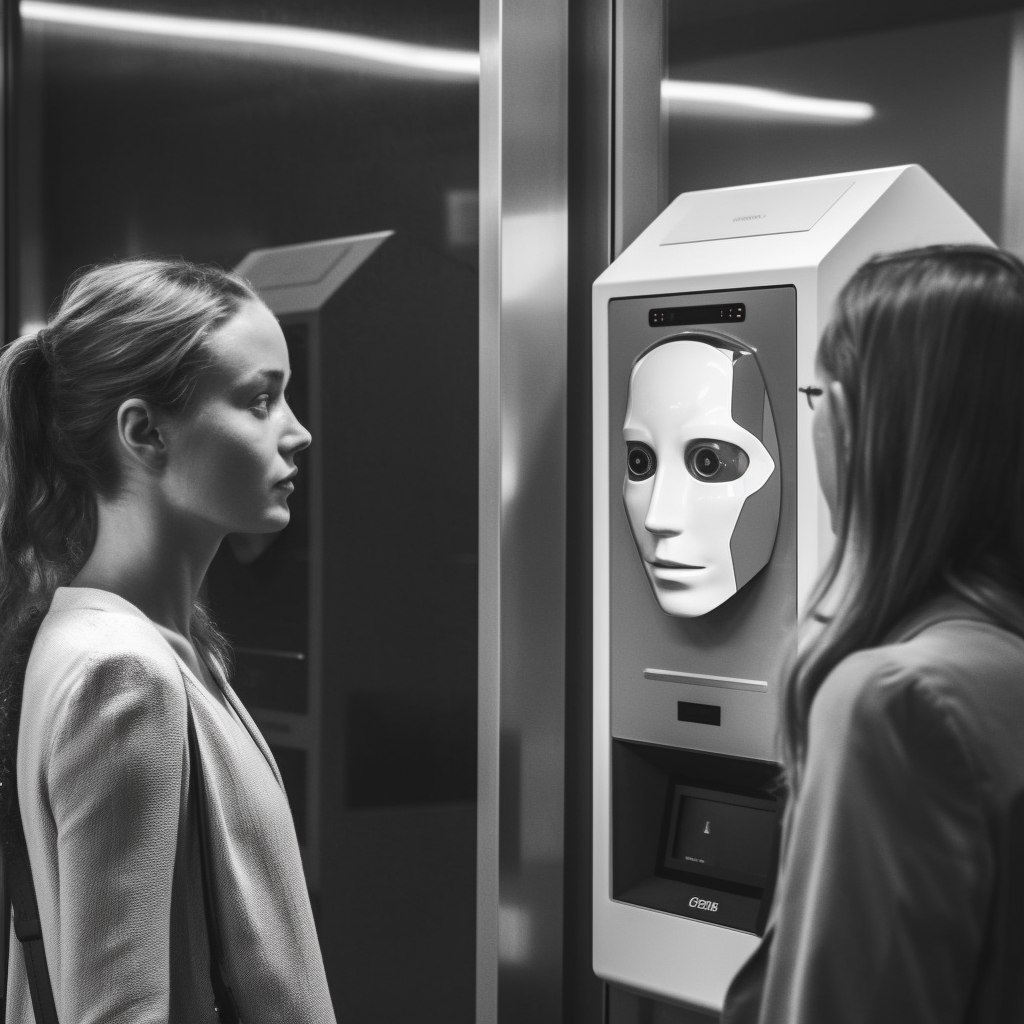 nnAs with any technological advancement, concerns about its security have also emerged. While it has a proven track record of being a reliable form of authentication measure, it also has its vulnerabilities that compromise the overall security of the system.n
What is Facial Recognition Technology?
nFacial recognition technology is a biometric system that analyses and identifies individuals based on their facial features. It uses complex algorithms and machine learning to capture, process, and compare facial patterns to a database of known faces.nnIt employs image databases, algorithms for comparison, and user inputs to verify matches, with the aim of associating a captured image with a person's identity.nnFacial recognition software typically relies on four steps:nn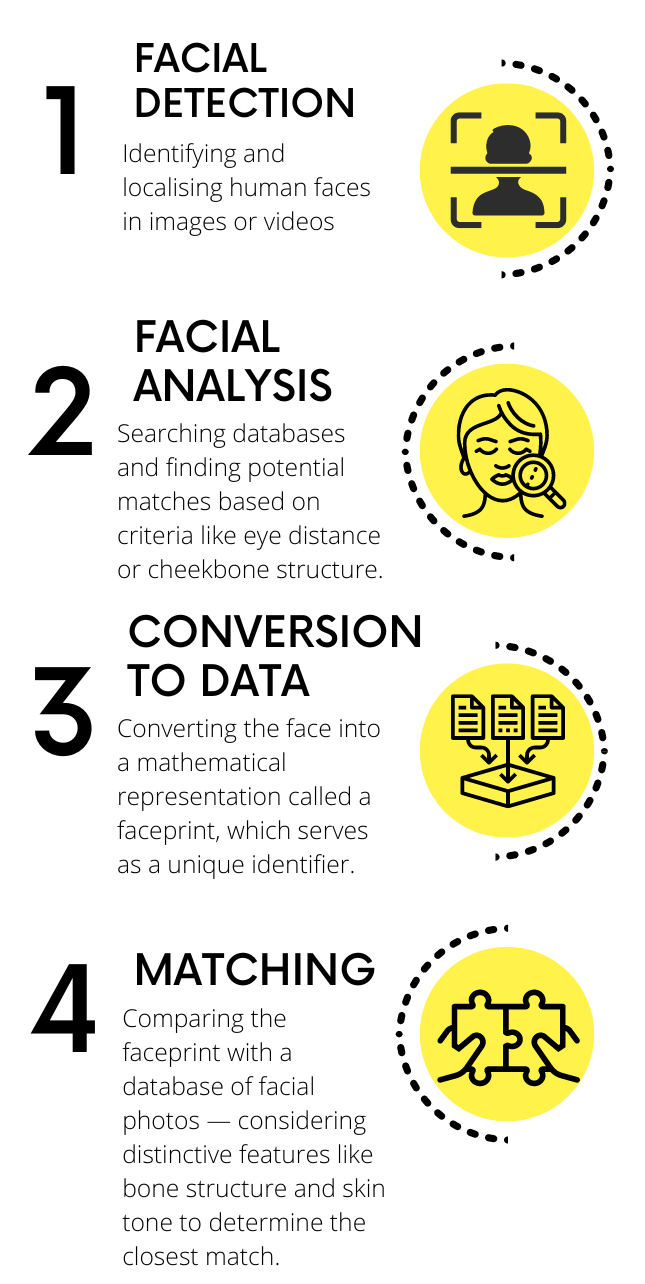 n
nPotential Security Risks Of Facial Recognition
nFacial recognition has both advantages and disadvantages when it comes to security.nn nn nnIt is important to consider several factors when evaluating the security of facial recognition systems. Potential security risks are some factors to take note of and these include:n
- n
- False Positives and Negatives: False positives and false negatives are terms used to describe errors or inaccuracies in a binary classification system, such as facial recognition.A false positive occurs when the system incorrectly identifies an individual as belonging to a certain category when they do not actually belong. A false negative is when the system fails to identify an individual as belonging to a certain category or class when they actually do belong to that category.One of the primary concerns with facial recognition technology is its accuracy. False positives and negatives may lead to misidentifications. Several factors such as lighting conditions and image quality can affect the system's performance.This raises concerns about potential security breaches or the possibility of innocent individuals being mistakenly flagged. n
- Prone To Spoofing & Impersonations: Facial recognition systems are prone to what’s known as “presentation attacks” due to their reliance on image analysis. Since these systems are designed to detect specific facial features, criminals can easily deceive them. This can be done by either manipulating your appearance or presenting spoofed images of the subject’s face (e.g. printed masks) to cheat the detection algorithm. Likewise, if an individual closely resembles a true subject in facial features — they too can gain access to the system.A notable example of this occurred when a Vietnamese security firm successfully tricked Apple's Face ID system with a 3D-printed mask. The security firm accomplished this by designing their 3D-printed mask in such a way that it checked off the algorithmic requirements of Apple's face recognition software. n
- Bias and Discrimination: If the training data used to develop the algorithm is susceptible to bias, it can result in discriminatory outcomes. Studies have shown that certain demographic groups, such as people of color, are more likely to be falsely flagged by facial recognition systems. This bias raises concerns about unequal treatment and the perpetuation of societal inequalities. n
- Security Breaches: Unauthorised access to a facial recognition database can lead to a compromise of sensitive information and the potential for identity theft. Since all the collected biometric data is stored in a centralised database, criminals can gain access to confidential biometric records. Subsequently, they can use the acquired data for fraudulent activities or other malicious purposes. n
Statistical Data Of The Effectiveness of Facial Recognition Systems
nAccording to research conducted by The Center for Strategic and International Studies (CSIS), facial recognition systems achieved near-perfect accuracy rates with a recognition accuracy level of 99.97% in ideal conditions. However, daily operations rarely provide perfect conditions and the accuracy of algorithms can be affected by various factors.nnIn another report by NIST, research indicates that 17 top-performing facial recognition neural networks have showcased remarkably similar recognition accuracy — regardless of skin color and gender. The findings revealed that false-negative rates for black females have been 0.49% or lower, while white males have experienced false-negative rates of no more than 0.85%.nWhat Steps Should Be Taken To Adress The Security Concerns of Facial Recognition?
nImproving the accuracy, anti-spoofing measures, encryption, and access control of the system will help to bolster the overall security of facial recognition technology.n- n
- Improved Accuracy: Continuous advancements in facial recognition systems should be a priority to enhance the accuracy and reliability of facial recognition systems.This includesn
- n
- Refining algorithms to reduce false negative and positive rates. n
- Utilising specialised hardware or ones that are better equipped to handle accurate scans. n
n - Anti-spoofing Measures: Effective anti-spoofing measures are essential to ensure the technology's security.Modern facial recognition systems employ various techniques, such as liveness detection, to verify that the presented face is a real, live person and not a spoofing attempt with a printed photo or mask. n
- Encryption and Data Protection: To ensure the security of facial recognition systems, it is crucial to implement strong encryption measures to protect stored biometric data.Proper encryption helps prevent unauthorised access or tampering with sensitive biometric information. n
- Access Control And System Security: The security of facial recognition technology also depends on the overall security measures implemented within the system.This includes access controls to limit who can retrieve or manipulate the data, and protection against hacking attempts or any kind of unauthorised system access. n
- Regularly Updating Software: Facial recognition systems should undergo regular evaluations and updates.This includesn
- n
- Monitoring and addressing any identified vulnerabilities n
- Staying up to date with the latest research and security practices n
- Promptly deploying patches or updates to address emerging threats. n
n
Bottom Line
n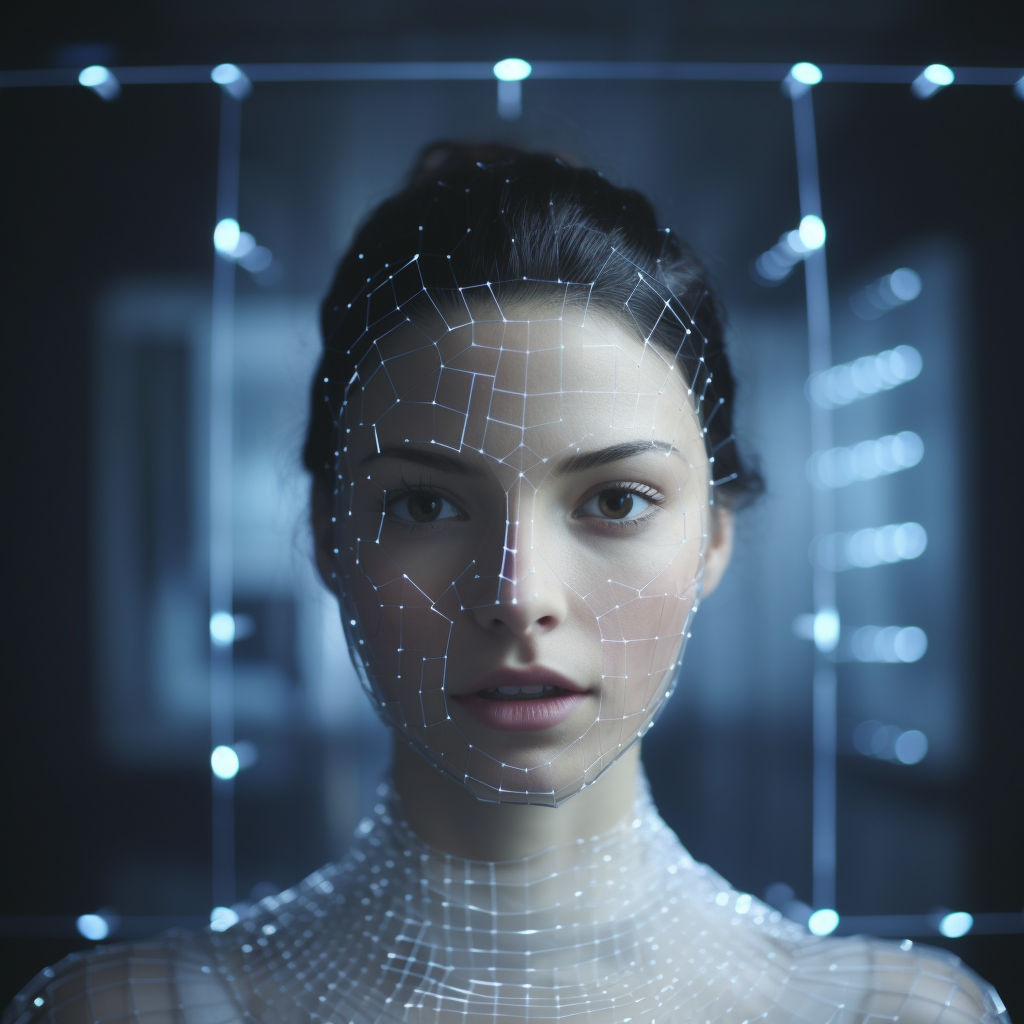 nn nnFacial recognition technology offers significant potential for various applications, but its security concerns must be addressed for widespread acceptance and trust.nnWhile improvements in accuracy, data protection, and bias mitigation are being made — continuous efforts are required to ensure the secure implementation of this technology.nnStriking the right balance between convenience, security, and privacy will be crucial as we navigate the future of facial recognition technology.
Related articles

Fraud Prevention Best Practices: Staying Ahead in the Digital Age
Fraud has evolved into one of the most pressing challenges for businesses in the digital age, specifically in industries where trust and identity verification are critical, such as banking, insurance, telecommunications, and e-commerce. Fraudsters are after one thing, and one thing only: your perso
Fraud Prevention in the Digital Age: How AI is Transforming the Fight Against Scams
The onset of the digital age has ushered in remarkable innovations that we never would have thought possible a decade ago. Everything, from the way we work to the way we live our daily lives, has been drastically streamlined by technological advances. However, this progress comes with a double edge

The Digital Deception: How to Spot, Prevent, and Fight Fraud in a Hyper-Connected World
Fraud is no longer just a distant threat in this digital age — it’s a reality that could impact you, your family, or your business at any moment. Think about it: how often do you shop online, check your bank account on your phone, or share personal details over email? These everyday actions, while