

Introduction
“Catch flights, not feelings.” This popular phrase has taken social media by storm, with influencers showcasing their journeys from the airport to their vacation destination. Originating from TikTok creator Niall Gray, this trend has become a sensation in 2024.
Amidst the evolving global economic landscape, people are embracing travel, whether domestic or international, as a means to escape post-pandemic stresses. The hospitality market has witnessed substantial growth in recent years, reaching nearly 4.7 trillion U.S. dollars in 2023, and is projected to increase up to 5.8 trillion U.S. dollars by 2027, according to Statista.
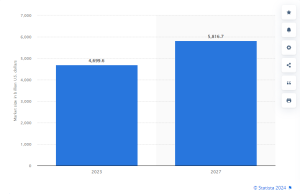
Source: Statista
While this surge in travel numbers bore much fruit for business owners, there is also a downside to the upward trend. Stories such as accommodation providers facing financial losses due to abuse of facilities and cases of theft among scooter-rental services have become increasingly common, emphasising the critical need for digital verification.
Verification As A Starting Point

The rise of shared accommodation and e-hailing services have necessitated a heightened focus on safety and fraud prevention. Cases of housing fraud, caused by deceptive practices within the system, present a significant challenge. For example, there have been instances of travelers discovering they’ve been victims of scams by fraudsters impersonating as accommodation hosts which negatively impacts platform credibility.
To counter this, platforms such as Airbnb have intensified identity verification processes for both hosts and users alike. Users are required to submit selfies and identity documents for biometric comparison. Successful completion of this verification process earns users a digital “Identity Verified” badge which helps to instill user confidence and ultimately deter fraudulent activities. Airbnb’s move to block calendars of hosts who haven’t completed the process demonstrates this commitment to safeguarding both hosts/owners and travelers.
Blacklisting and Biometric Alert List: Tools for Trust and Safety
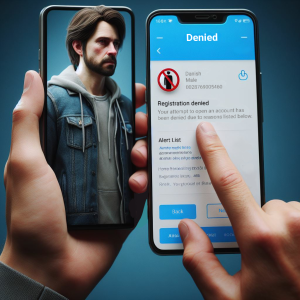
Blacklists serve as potent anti-fraud tools in the tourism industry since it allows platforms to identify and block out individuals with a history of fraudulent or disruptive behaviour. While the information from traditional blacklists can be easily manipulated (names and email addresses), Biometric Alert Lists are implemented as an added measure to counter any kind of information manipulation. Leveraging on unique and difficult-to-fake biometric data, it offers a more reliable way to identify individuals.
The Biometric Alert List works by matching biometric data obtained from guests making a booking with those on a blacklist. If a match is found, the booking can be denied by the business at any time to prevent potential harm. Beyond preventing harm, the Biometric Alert List builds trust among owners and guests. Platforms demonstrating a commitment to user safety instill confidence in users. Additionally, it serves as a deterrent, making individuals think twice before engaging in fraudulent or destructive behavior.
A global survey conducted by Jumio in 2022 highlighted users’ concerns about not knowing the identity of service providers online. Digital identity solutions, including the Biometric Alert List, addresses these concerns by providing a robust fraud prevention mechanism.
A Two-Pronged Approach With Digital Footprint Analysis

Digital Footprint Analysis (DFA) emerges as a crucial tool in deterring fraudsters. Offering a deeper understanding of customers based on their online activities, DFA proves effective in various industries.
In the context of home-sharing platforms, DFA enables hosts to analyze potential guests’ online activities, identifying red flags such as negative reviews or blacklisting on other platforms. Car rental services can use DFA to assess customers’ risk levels by examining their online history, including traffic violations or involvement in car thefts. Casinos, often targets of sophisticated fraud, can preemptively act against potential fraud by tracking online activities associated with money laundering. This allows them (business owners) to preemptively act and prevent potential fraud.
Beyond fraud prevention, with the help of DFA, businesses in the tourism industry can now understand their customers better than ever before, increasing the ability to make informed decisions based on data-driven insights. It offers valuable insights into customer online behavior, enabling businesses to tailor services to meet individual needs.
This approach not only enhances the customer experience but also builds a stronger relationship between the business and the customer. When customers feel that a business understands and caters to their needs, they are likely to return and recommend the business to others.
Overall, digital footprint analysis offers a proactive approach to fraud prevention as well as creating personalization based on the customers’ needs. By understanding the digital behavior of users, businesses can detect and deter fraudulent activities effectively, while understanding the needs of each customer, thereby reinforcing trust among their user base.
How Innov8tif Can Help Your Business?
In the era of digital transformation, security and process improvements are reshaping the hospitality industry. Innov8tif addresses the demand for convenience and seamless transactions with EMAS CIDA (Customer Identity Digital Assurance). This comprehensive solution integrates digital verification, biometric alert lists, and digital footprint analysis for businesses of all sizes.
EMAS CIDA utilizes AI-powered technologies for real-time identity verification, reducing fraud risks. Its support for Biometric Alert Lists empowers businesses to blacklist individuals based on unique biometric data, acting as a robust deterrent against fraud and destructive behavior.
Advanced digital footprint analysis offered by EMAS CIDA enables businesses to gain valuable insights into user behaviors and preferences. By understanding customers better, businesses can detect potential red flags and personalize services based on user needs.
Implementing Innov8tif’s EMAS CIDA allows businesses to effectively deter fraud, build user trust, and elevate the overall customer experience.
To get in touch with us, feel free to:
Contact us at [email protected] or download our FREE hospitality use case here.