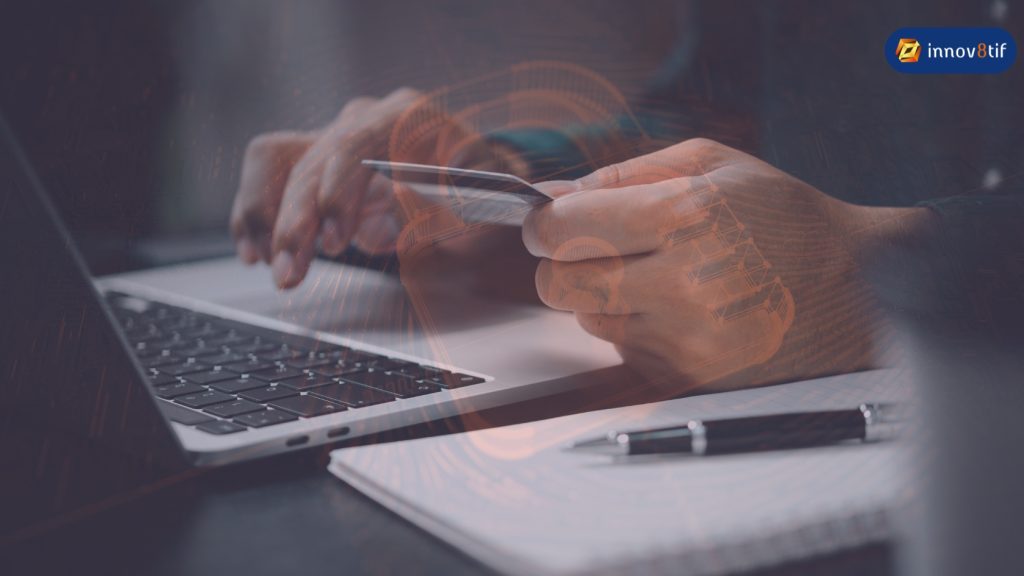

In today’s digital world, contactless payments have become the standard for financial transactions. The global pandemic has further accelerated this trend — with most people embracing a contactless lifestyle, particularly when it comes to making payments.

Many consider facial recognition technology as an effective biometrics tool to improve contactless payments. It not only offers convenience but also acts as a robust security measure to safeguard individuals against unauthorised transactions.
How Can Facial Recognition Improve Convenience For Contactless Payments?
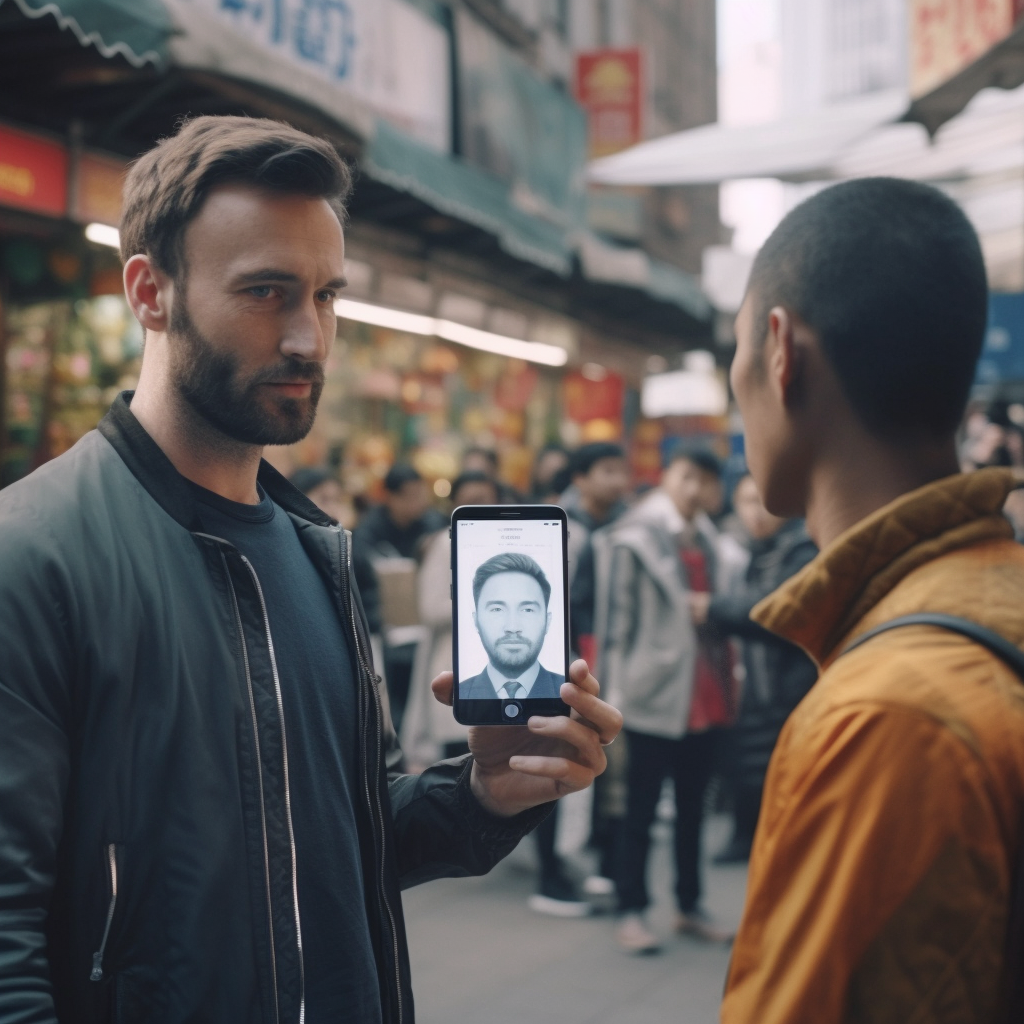
Facial recognition technology improves convenience by significantly reducing wait times through instant facial scans for payment approval and transactions. This feature is especially relevant for a growing number of individuals who link their credit cards to mobile devices for contactless payments.
These are some other ways facial recognition can improve the convenience of contactless payments:
- Seamless Authentication: Facial recognition enables users to effortlessly complete transactions without the need for physical cards, PINs, or passwords. By eliminating the need for manual input, it reduces friction — making the payment process faster and more convenient.
- Touch-less Interaction: Facial recognition eliminates the need for users to touch any surface or manually input information — providing a hygienic and convenient alternative. This proves especially advantageous in settings such as retail stores, restaurants, or public transportation, where fast and effortless payment is crucial.
- Multi-Channel Integration: Facial recognition can be seamlessly integrated across various platforms, including mobile applications, e-commerce websites, and self-service kiosks. This enables users to make contactless payments from different devices and platforms conveniently.
A good example of the use of facial recognition for convenient contactless payments would be Apple’s Apple Pay feature. To utilise this feature, users can simply double-press their on/off button to activate Face ID (Apple’s proprietary facial recognition software).
Once Face ID verifies the user’s identity, the payment is promptly processed and charged to their card. This entire process is completed in less than 3 seconds — offering a substantial time advantage compared to the traditional method of retrieving a physical credit card for contactless payment.
Mastercard is also experimenting with new technology that enables shoppers to make payments using their biometric data at the checkout point. Users can authenticate their payment simply by presenting their faces to the scanner. This process will be quicker as it eliminates the need for shoppers to pull out their phones or wallets to make a payment.
How Can Facial Recognition Improve Security For Contactless Payments?

Facial recognition helps to provide an extra layer of preventative security by requiring biometric authentication before a payment can be approved. Reported cases of criminals scanning credit cards through victims’ pockets serve as a reminder of the importance of authentication measures.
It also helps to improve security in other ways:
- Robust Authentication: Facial recognition provides a high level of accuracy in identifying individuals by analysing unique facial features and matching them against pre-registered data. Compared to traditional authentication methods such as PINs or passwords, facial recognition offers a more secure and reliable means of verifying the identity of the person making the payment. This significantly reduces the risk of fraudulent transactions and enhances overall security.
- Anti-Spoofing Measures: These measures can detect and differentiate between real human faces and artificial representations such as 3D-printed masks or photos. Even if your phone has been stolen — criminals are unable to
- Multi-Factor Authentication: Facial recognition can be combined with other biometric authentication methods, such as fingerprint recognition, to create a multi-factor authentication process. By using multiple biometric identifiers, it is more difficult for unauthorised individuals to make payments without the user’s approval.
The Future of Biometrics in Contactless Payments

Facial recognition has the potential to enhance the already seamless nature of contactless payments greatly. It not only offers customers a more convenient way to make payments (eliminating the need to retrieve their credit cards or other items) — but it also enhances security by verifying the authenticity of the individual making the payment.
Given how these two technologies can integrate with each other to provide even more benefits to users — it is interesting to think about what future systems can be combined to provide a greater experience for users.
Facial recognition technology goes beyond expectations by revolutionising financial transactions and e-commerce. Its security and convenience can be seamlessly integrated into a wide range of processes across all industries, elevating every aspect of your business operations.facial
For more detailed information about facial recognition and the other benefits it can offer to improve your business processes — visit our dedicated wikipage.