
The Rise of RegTech and Its Impact on The Future of Financial Services
 When it comes to reporting, compliance and regulation, the global financial crisis of 2008 was a game-changer. Over the last decade, you may have become aware of an evolution in Financial Technology (FinTech) that has resulted in tech for financial regulation or Regulatory Technology (RegTech).In a December 6, 2018, MarketsandMarkets report, it was estimated that the RegTech market today could expand to $12.3 billion by 2023. By innovating common regulatory problems, RegTech makes use of developments like Blockchain technology, Artificial Intelligence (AI), Machine Learning and Big Data.However, as evolution continues in the solutions found within RegTech, the regulatory landscape may have to surmount many obstacles to keep pace with the ensuing disruption.What might the future hold and how could RegTech impact your overall digital strategy?
Regulations are skyrocketing. A massive deployment of new regulations has emerged as a result of the global financial crisis, with over 50,000 new regulations since the catastrophe. To put things into perspective, that's one new regulatory alert every seven minutes!
This development has taken a toll on the financial service industry, with banks alone spending hundreds of billions of dollars annually.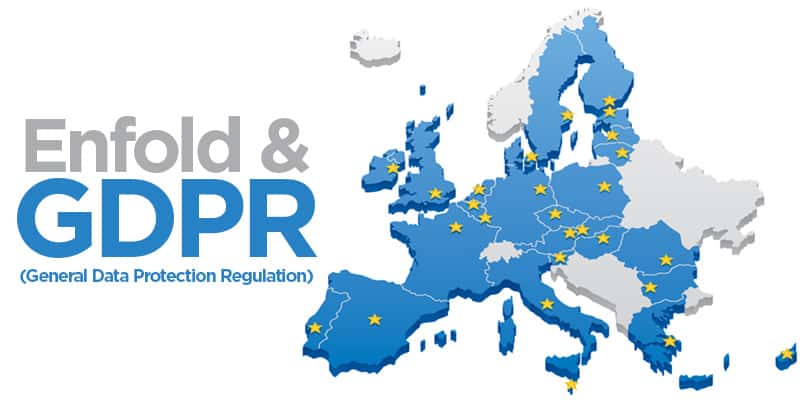 The influx of new regulation isn't just experienced by the financial industry alone. This new era of digital empowerment and interconnectivity has given rise to various regulatory aspects being implemented in almost every industry. Regulators are honing down on each aspect to try and ensure that customers and their customer data are protected. Europe's General Data Protection Regulation (GDPR) is at the forefront of these efforts, and many other nations are along for the ride. What is RegTech? In a world where regulation attempts to keep up with fast-paced digitization, companies struggle to meet all the requirements to remain compliant. This is where RegTech comes into play. It includes different applications for the management of workflows and technology such as big data, analytics, artificial intelligence, blockchain and machine learning. These applications are also known as regulatory compliance technology solutions. Put simply, RegTech describes all technology solutions that are designed to facilitate compliance requirements. This can involve new or existing rules, regulations, sanctions and industry-specific guidance. If RegTech were to be broken down, it could be categorized into four distinct areas; risk management, traditional compliance, identity management and financial crime. RegTech aims to solve common issues within these areas through analysis, data reporting and filings for better efficiency and problem-solving empowered by technology. Compliance This is RegTech's most extensive field. Machine learning and AI can scan, monitor, and share the effect of change for new or revised regulations with stakeholders. The systems are designed to perform certain tasks automatically, with compliance officers making appropriate checks at key decision points. Setting up compliance software also means avoiding all the fines imposed by GDPR, because one single act won’t go unnoticed. While regulators had hardly noticed their effect on financial intermediaries until it was introduced, the General Data Protection Regulation (in addition to PSD2) pressured all financial intermediaries to rethink and restructure the way they gather and process data from clients. FinTech Broadening Horizons Up until this point, financial services institutions offered a range of services (from traditional banking to trading services and mortgages). These have been unbundled by FinTech into single offers. Integration with technology makes it possible for FinTech companies to be more effective and reduce the costs involved. Many regulators often use technical resources to reduce the need for people to perform difficult network analysis manually. This method includes processing years of raw "order book data" using modern techniques for network analysis. The advantage of such a system comes not only from handling large amounts of data but also from detecting complex network relationships over extended periods. This can even involve large numbers of participants. Staying on the right side of the law may have been viewed as a hassle in the past. When dealing with compliance for financial matters, things can become quite messy. The sphere of regulations has come a long way and, via new concepts like RegTech, ‘buzzy’ developments such as blockchain and AI appear set to play a central role in the near future.
Related articles

Spotting Fake IDs: How Hologram Tech Keeps Online Sign-Ups Safe

Fraud Prevention Best Practices: Staying Ahead in the Digital Age
Fraud has evolved into one of the most pressing challenges for businesses in the digital age, specifically in industries where trust and identity verification are critical, such as banking, insurance, telecommunications, and e-commerce. Fraudsters are after one thing, and one thing only: your perso

Fraud Prevention in the Digital Age: How AI is Transforming the Fight Against Scams
The onset of the digital age has ushered in remarkable innovations that we never would have thought possible a decade ago. Everything, from the way we work to the way we live our daily lives, has been drastically streamlined by technological advances. However, this progress comes with a double edge