
The Rise of Biometric Identification In The Education Sector
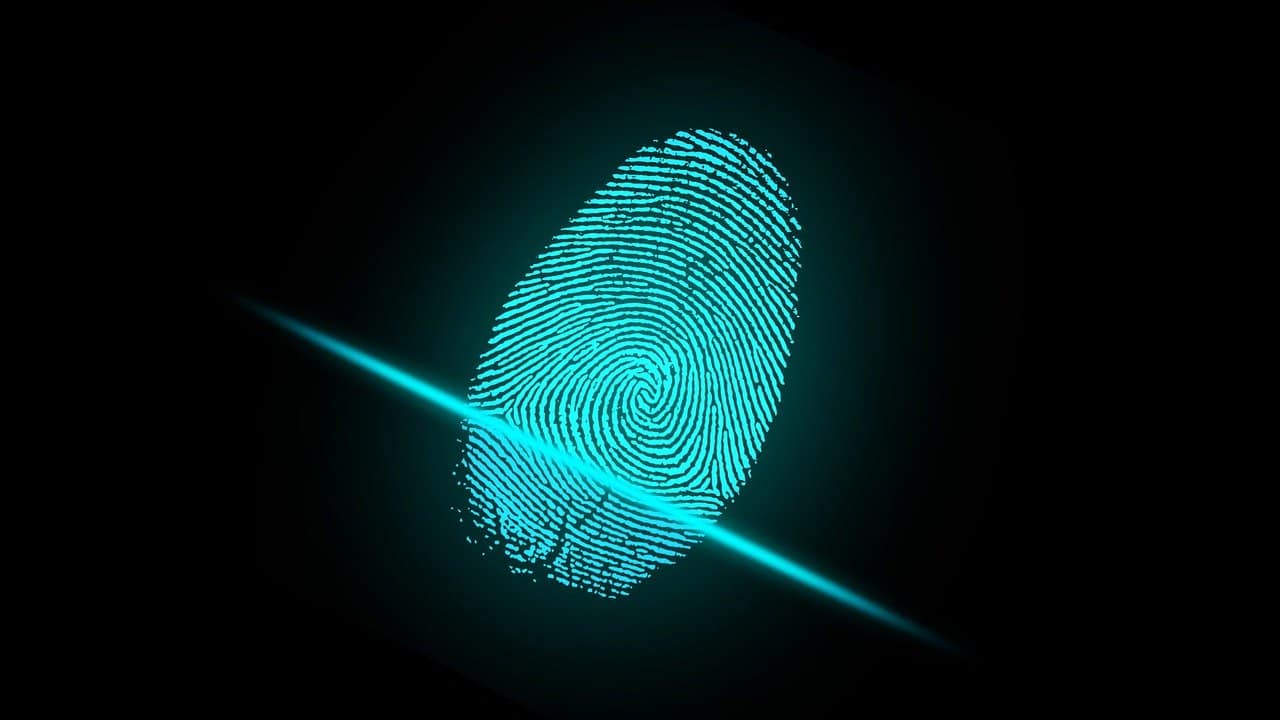
Primarily, with regards to Biometric Identification, fingerprint scanning is one of the most widely used methods of verification adopted worldwide. The current COVID-19 pandemic crisis has brought about increased caution and instigated a ‘contactless culture’ related to the importance of social distancing. Biometric identification can still be a useful security measure and can be enhanced with contactless biometric technology.
Contactless biometric technology, with its abilities and applications, has now become a valuable tool for instructors who want to enforce academic integrity in light of the continued migration of learning into the online space. However, it also offers significant safety benefits beyond that.
Advocating the "contactless" new norm
In today's high-risk environment, public health is a major issue. Offices, schools and public institutions are either temporarily closed, or slowly reopening with tight regulations and operational SOPs.
This is where biometric verification can come in handy. Fingerprint scanning can be exclusively enabled for identification on personal devices - such as through the use of a personal smartphone for fingerprint verification, or facial verification through a phone camera. In this way, biometrics can still be used as a relevant security measure for schools. In fact, biometrics might lead to fewer points of contact in public spaces and better safety control.
Building a more engaging educational experience
In addition to grade books and report cards, school districts now have access to a set of tools that might provide them with unprecedented insight into how students engage with class material. This is possible via biometric data.
The applications of such information are obvious with the advent of popular wearable technology, such as Fitbits and smartwatches. The current crisis would require that individuals use personal wearables as a means of practicing social distancing.
Biosensors can be used to make inferences about student engagement, including infrared and surveillance cameras, as well as to characterize behavioural problems. Measurements of their behaviour — such as eye contact, interactions with other students, and body language — can convey a lot about how a learner interprets the material in the class. Using Big Data, these records can help instructors when a learner might lose interest, when they might need assistance, or when there are distractions in the room.
Reinforced security
In managing the student body, safeguarding online access to records, monitoring attendance, and protecting property such as books from the school library, schools are responsible for handling multiple security and convenience-related issues. On top of this, schools have a transient audience by nature, with new students coming and going each semester.
Online learning has introduced a new security risk now because schools need to safely identify the person taking the tests and participating in the course. In the end, all of this boils down to positive identification.
Traditional methods for aspects like attendance, online security and checking out library books have been substituted with contactless biometric authentication (and with good reason). It's simply another case of process enhancement via technology.
Expect to see similar contactless enhancements as digital transformation becomes more common.
As part of school lunch programs, many schools even adopted biometric authentication. Biometric sign-in lets individuals monitor their school lunch account discreetly, irrespective of whether it is self-financed or subsidized. Again, schools will have to adapt to the new norm and rely on contactless biometric verification moving forward.
Streamlining school operations
The convergence of different activities and timeliness can be critical for maintaining discipline in any school. Incorporating biometrics at different parts of the school can reduce manual work, paperwork, and time taken with regards to different processes including student registration, attendance, reporting, allocation of equipment, library management and invoicing.
Deploying a biometric access control system at the main door could very well prevent any threats to safety from entering the school premises. This system would also make school transport secure for students as well as convenient for drivers.
Younger kids are often struggling to get on to the right bus and get off at the right stop, while new drivers can also fail to identify students visually and remember details. Contactless biometrics can help school authorities store all of these details and make transportation to school safe and efficient.
Boosting purchasing efficiency
Though considered a high-cost option, when implemented in schools, contactless biometrics provides a variety of advantages. Students will no longer have to carry cash that can get lost, stolen or misused for the purpose of making purchases, such as in cafeterias. Moving away from the traditional identity card system eliminates the issue of lost, stolen, and damaged cards, reducing costs and inconvenience. What’s more, contactless biometric verification through facial or fingerprint methods from personal mobile devices could reduce the risk of contracting any illnesses.
With contactless biometrics systems throughout canteens, students will no longer have the potential to be publicly identified as having a "free" or "reduced" status, and meal lines move much faster. Schools have also been known to experience a 20 per cent increase in cafeteria meal line speed.
Maintaining academic integrity
With artificial intelligence effectively being able to read body language and facial features, it is possible to better preserve academic integrity. This is especially useful in a college examination or standardized test situation, where invigilators may not necessarily recognise signs of cheating in large test-taking groups.
Students could also benefit from an identification system for biometrics that would allow effective identification during online testing.
There are many reasons why schools should adopt this biometric technology. It builds up a more engaging educational experience by enabling more access and the ability to recognize behaviour patterns. There is also more security and school operations can be streamlined. Other than that, it can enable contactless processes and reduces downtime with regards to purchasing. It can also make it harder for students to cheat.
Biometric Identification may be commonly understood as involving some sort of physical contact. However, educational institutes can benefit from implementing contactless biometric technology. Such benefits can include safety and even relate to purchasing efficiency, academic integrity, as well as the streamlining of school operations.
Related articles
Spotting Fake IDs: How Hologram Tech Keeps Online Sign-Ups Safe
Fraud Prevention Best Practices: Staying Ahead in the Digital Age
Fraud has evolved into one of the most pressing challenges for businesses in the digital age, specifically in industries where trust and identity verification are critical, such as banking, insurance, telecommunications, and e-commerce. Fraudsters are after one thing, and one thing only: your perso
Fraud Prevention in the Digital Age: How AI is Transforming the Fight Against Scams
The onset of the digital age has ushered in remarkable innovations that we never would have thought possible a decade ago. Everything, from the way we work to the way we live our daily lives, has been drastically streamlined by technological advances. However, this progress comes with a double edge