
Pros & Cons of Facial Recognition
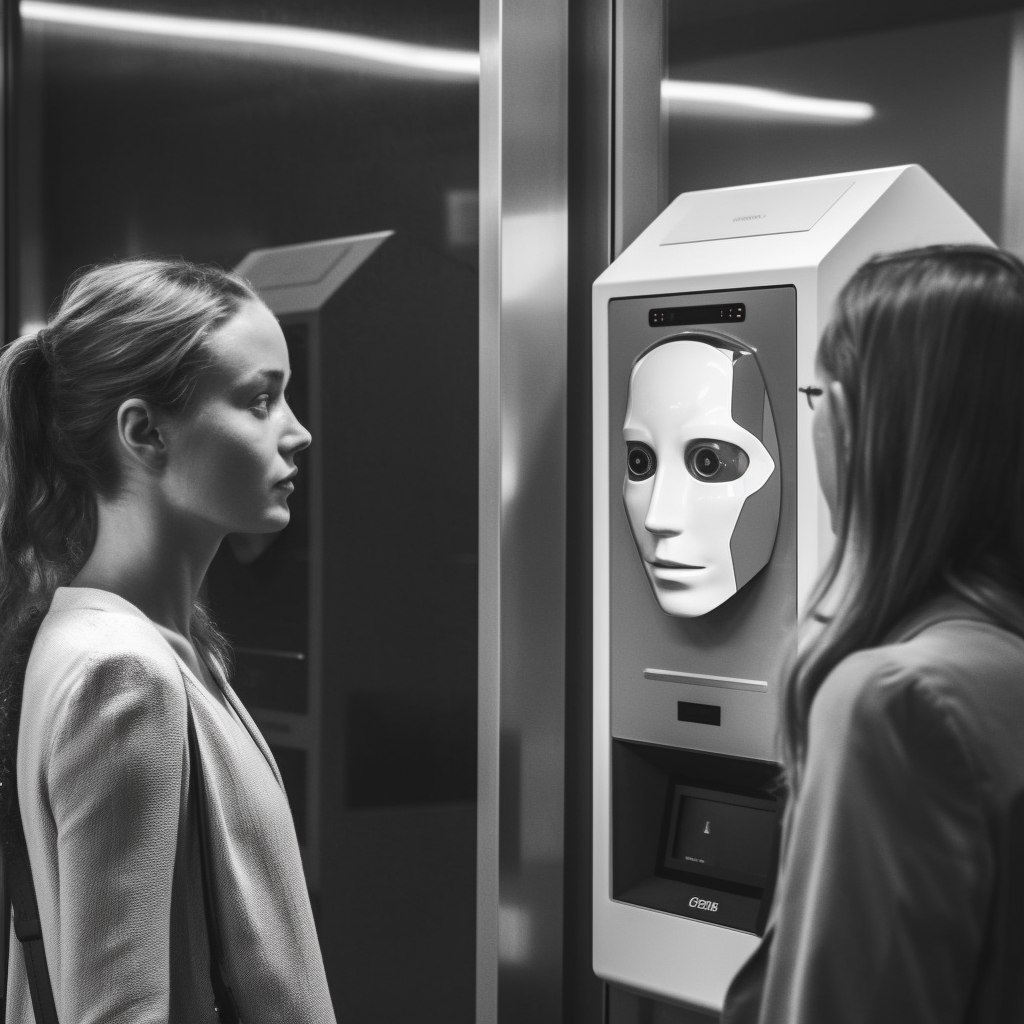
Facial recognition technology has become increasingly common in our daily lives, powering functions like phone unlocking and automatic friend tagging on social media apps.
Not only within the consumer space, this advanced biometric technology has also gained traction in the business world — offering faster, simpler, and more accurate authentication processes. However, it is also important to acknowledge the drawbacks associated with facial recognition.
Facial recognition is prone to have biases, inaccuracies in certain cases, and potential impacts on human rights.
By exploring the arguments both for and against its implementation, this article aims to shed light on the ongoing debate surrounding the use of facial recognition.
What Are The Pros Of Facial Recognition?
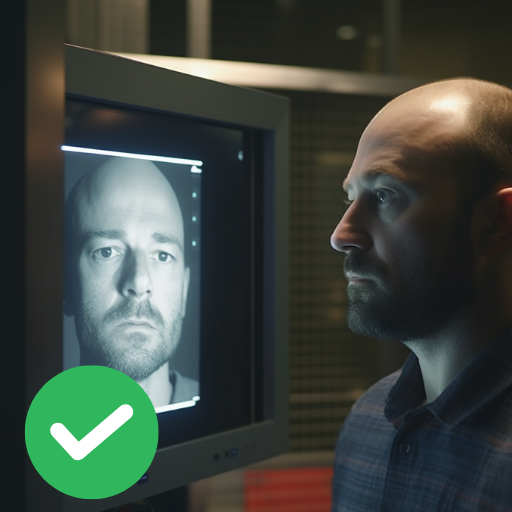
Facial recognition can offer advantages such as improving security, providing anti-identity theft measures, remote identity proofing, and speedy authentication.
1) Improves Security For Businesses & Customers
Facial recognition biometrics systems can be used for security access control and surveillance purposes. This helps to protect valuable business assets by restricting access only to individuals who have clearance via facial scan.
Likewise, the same system can be used to safeguard customer assets from criminals trying to gain access to them.
2) Anti-Identity Theft Measure For Financial Institutions
Facial recognition can help to protect an individual’s identity by saving a unique record of their facial data into a database. When customers attempt to access their accounts in the future, the system will instantly recognise them as the rightful owner of the account and allow access.
This is especially important in financial institutions, whereby identity fraud is common. The risk of identity theft is reduced when facial recognition systems use an individual’s face as an identifier rather than easily forged or stolen physical documents — e.g. passports, ID cards, or driving licenses.
3) Remote Identity Proofing
Banks and other institutions can remotely authenticate identities and authorise transactions with only a smartphone. This process can be done at any time and any place.
Not only does this add a layer of convenience for both the customer and the service provider, but it also reduces the costs associated with having to manually screen through every single transaction.
4) Accurate & Fast Authentication
Facial recognition technology allows a quick, secure, and accurate method of authenticating users. The system is operated exclusively by an AI system which eliminates the accuracy and speed drawbacks usually encountered in a human-operated system.
5) Reduces Human Touchpoints
Facial recognition outperforms other security measures by requiring fewer human resources. Artificial intelligence eliminates the need for physical contact or direct human interaction, making it an automatic and seamless process.
Additionally, facial recognition minimises touchpoints for tasks such as unlocking doors, accessing smartphones, or performing activities that typically require PINs, passwords, or keys.
What Are The Cons of Facial Recognition?

The main concerns of facial recognition technology revolve around several factors — system inaccuracies, legal & privacy issues, vulnerability to spoofing, and database vulnerabilities among others. While the technology does have its benefits, its drawbacks are also apparent.
1) Inaccuracy Issues
This technology is more precise than the human eye but it is not infallible. The software might face difficulties in recognising individuals with different skin tones or from different demographics.
According to a 2019 report by the National Institute of Standards and Technology, the rate of false results can vary significantly depending on factors such as image quality, the available dataset, and the ethnicities of the faces being scanned.
It was found that the false match rates were 0.1% for black women and 0.025% for black males. These results were 10 and 2.5 times higher respectively when compared to the test results of white participants.
2) Legal & Privacy Concerns

Facial recognition technology raises significant legal and privacy concerns that warrant careful consideration. Some key concerns include:
<li><strong>Invasive Surveillance:</strong> Facial recognition can enable pervasive surveillance, as it has the potential to track individuals' movements and activities without their knowledge or consent.</li>

<li><strong>Biased and Discriminatory Practices</strong>: Facial recognition algorithms have been shown to exhibit biases, particularly against certain demographic groups, such as women and people of colour.</li>

<li><strong>Consent and Data Collection:</strong> Individuals may not be aware that their facial data is being captured or how it will be utilized.</li>

<li><strong>Lack of Legal Frameworks:</strong> Many countries lack comprehensive laws and regulations specifically addressing facial recognition technology. The absence of clear guidelines leaves room for potential misuse and abuse of the technology.</li>
3) Can Be Prone To Spoofing Attempts
Facial recognition systems are prone to spoofing due to their reliance on image analysis. If these systems are designed to detect specific facial features, individuals can easily manipulate their appearance to deceive the system.
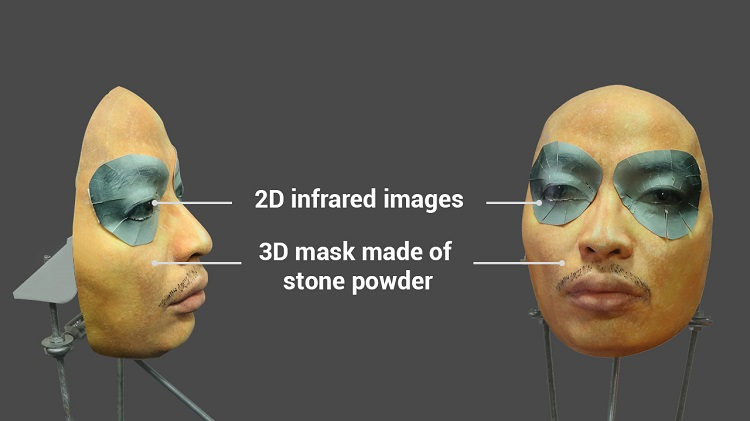 3D-printed mask used to fool Apple’s Face ID algorithms — Retrieved from: https://www.wired.co.uk/article/hackers-trick-apple-iphone-x-face-id-3d-mask-security
A notable example of this occurred when a Vietnamese security firm successfully tricked Apple's Face ID system with a 3D-printed mask. The security firm accomplished this by designing its 3D-printed mask in such a way that it checked off the algorithmic requirements of Apple's face recognition software.
4) Data Vulnerabilities to Cybercriminals
Hackers that gain access to the system's databases can exploit the sensitive information contained within for malicious purposes.
Interconnected networks, communication channels, and cloud-based storage used by these systems introduce additional vulnerabilities. This enables cybercriminals to intercept and steal individuals' facial recognition data.
Learn More About How Facial Recognition Works
Facial recognition technology is a form of biometric technology that employs sophisticated algorithms to analyze and compare images of human faces in order to identify individuals. By scrutinizing facial features and the positioning of distinctive landmarks such as the nose and mouth, this technology operates.
To learn more about how facial recognition works, head on over to our dedicated wiki page
Related articles

Spotting Fake IDs: How Hologram Tech Keeps Online Sign-Ups Safe
Fraud Prevention Best Practices: Staying Ahead in the Digital Age
Fraud has evolved into one of the most pressing challenges for businesses in the digital age, specifically in industries where trust and identity verification are critical, such as banking, insurance, telecommunications, and e-commerce. Fraudsters are after one thing, and one thing only: your perso

Fraud Prevention in the Digital Age: How AI is Transforming the Fight Against Scams
The onset of the digital age has ushered in remarkable innovations that we never would have thought possible a decade ago. Everything, from the way we work to the way we live our daily lives, has been drastically streamlined by technological advances. However, this progress comes with a double edge