
Pros & Cons of Device Fingerprinting
The onset of the digital age has meant that our every move is now being recorded and analysed. As technology evolves, so do the methods employed to track and identify users across the vast expanse of the internet.
One such method that has garnered both praise and controversy is device fingerprinting — a technique used to create unique digital signatures for the devices we use daily. Device fingerprinting offers a wide range of applications, from strengthening security and preventing fraud to enabling more precise targeted advertising.
Whether you’re a curious user wanting to protect your digital footprint or a business looking to leverage this technology, understanding the pros and cons of device fingerprinting is essential.
What Is Device Fingerprinting?
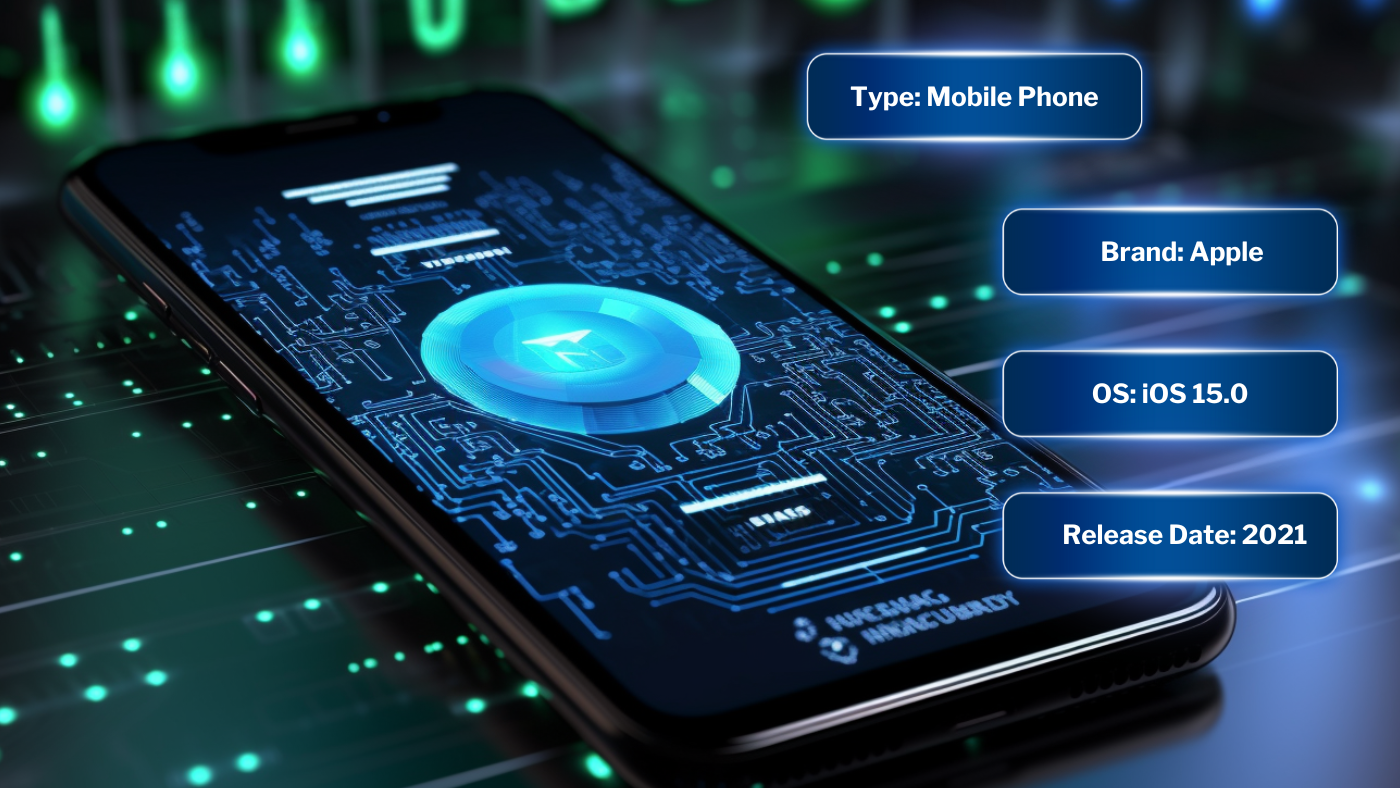
Device fingerprinting is a method used to identify and track unique devices, such as computers, smartphones, and tablets, based on a combination of software and hardware characteristics.
This identification process creates a unique fingerprint for each device, which can be used for security, fraud detection, and targeted advertising. It can also be implemented with other tracking techniques to build a comprehensive digital profile of a device’s online activities, effectively creating a device ID for a respective user's device.
Device fingerprinting has proven to be a more reliable form of device identification and tracking compared to cookies, which can be easily removed or deleted from a browser.
A cookie is a piece of data from a website that is stored within a user’s web browser that the website can retrieve at a later time. They help that website remember information about your visit
Device fingerprinting provides a more consistent way of tracking online activities since users are less likely to change operating systems or manipulate their IP addresses. By monitoring these identifiers, businesses can detect fraudulent activity when fraudsters attempt to access systems from a different device or mask their true digital footprint.
How Does Device Fingerprinting Work?
Device fingerprinting involves a series of steps that gather information on a user’s device to compile a unique profile.
Collection of Information
Information is collected from a device when it connects to a network or visits a website. This can include:
<li><strong>User-Agent String</strong>: A string of text that includes details about the device’s operating system, browser, and version.</li>

<li><strong>IP Address</strong>: The unique numerical address assigned to a device on the internet.</li>

<li><strong>Browser Plugins</strong>: Information about browser plugins and extensions installed on the device.</li>

<li><strong>Language Preferences</strong>: The preferred language of the device.</li>

<li><strong>Hardware and Software Characteristics</strong>: Details about the device’s hardware, such as CPU type and number of cores, as well as software settings.</li>

<li><strong>Cookies and Local Storage</strong>: Information stored by websites on the device’s browser.</li>
Fingerprint Generation
The collected information is processed and combined to create a unique fingerprint for the device. This fingerprint represents the device’s unique characteristics.
Comparison and Tracking
The generated fingerprint is compared to a database of known fingerprints. When a match is found, the device is recognised, and its behavior can be tracked over time. If the fingerprint is not found, a new entry is created in the database.
To understand more about what device fingerprinting is and how it works, refer to our previous article here
What Are The Pros & Cons of Device Fingerprinting?
Device fingerprinting is a method used to collect information about a user’s device to create a unique identifier. This identifier can be used for various purposes, including online tracking, fraud prevention, and personalisation. Below are the pros and cons of device fingerprinting:
Pros:

<li><strong>Enhanced Security</strong>: Device fingerprinting aids in fraud detection and prevention. Tracking devices helps in identifying and blocking suspicious activities, such as account takeover attempts, unauthorised access, or illicit transactions.</li>

<li><strong>Identity Theft Prevention</strong>: Since device fingerprinting provides a unique fingerprint for each device, it simplifies detecting fraudsters attempting to impersonate legitimate users.</li>

<li><strong>Personalisation</strong>: Online platforms use device fingerprinting to tailor user experiences, such as customizing content or recommendations based on a user’s device and browsing history.</li>

<li><strong>User Authentication</strong>: Device fingerprinting can be integrated into multi-factor authentication (MFA) to add an additional verification layer. If a device’s fingerprint matches an expected profile, it helps confirm a user’s identity.</li>

<li><strong>Cross-Device Tracking</strong>: Businesses leverage device fingerprinting to track user behavior across multiple devices, leading to more targeted and effective advertising campaigns.</li>

<li><strong>No Cookies Required</strong>: Unlike traditional tracking methods, device fingerprinting remains effective even when users disable cookies in their browsers.</li>
Cons:

<li><strong>Privacy Concerns</strong>: Collecting information about a user’s device without explicit consent may feel invasive. Users may feel their online activities are monitored without their knowledge.</li>
<li><strong>Inaccuracies in Results</strong>: Device fingerprints can change due to software updates, hardware upgrades, or other factors, leading to false positives/negatives in fraud detection and personalisation efforts.</li>
<li><strong>User Anonymity Compromised</strong>: When combined with other data sources, device fingerprints can potentially compromise online anonymity, which may concern privacy-conscious users.</li>
<li><strong>Ethical and Legal Issues</strong>: It raises ethical and legal questions, particularly regarding consent, data protection laws (e.g., GDPR), and potential misuse of collected data.</li>
<li><strong>Prone to Evasion</strong>: Some users employ tactics to evade device fingerprinting, which can lead to inaccurate results, affecting fraud detection systems.</li>
<li><strong>Incompatibility with Some Devices & Browsers</strong>: Device fingerprinting may not work effectively on all devices or browsers, potentially limiting access to services or features.</li>
Bottom Line
Like any technology, device fingerprinting comes with both advantages and disadvantages. While its role in security, personalisation, and advertising is undeniable, it must be used responsibly to address concerns related to privacy, accuracy, and ethics. User consent and data protection regulations should always be considered when implementing device fingerprinting techniques.
TrustDecision is a leading provider of device fingerprinting solutions, striking the right balance between device recognition and user privacy. With unparalleled risk identification capabilities, TrustDecision is the ultimate protector for businesses across multiple industries.
While device fingerprinting is a powerful tool for enhancing security, it is not infallible. Users must understand its benefits and drawbacks to make informed decisions about which device fingerprinting technique suits their needs. To learn more about the 8 best device fingerprinting solutions in 2023 and their respective pros & cons — read their article here.
Related articles
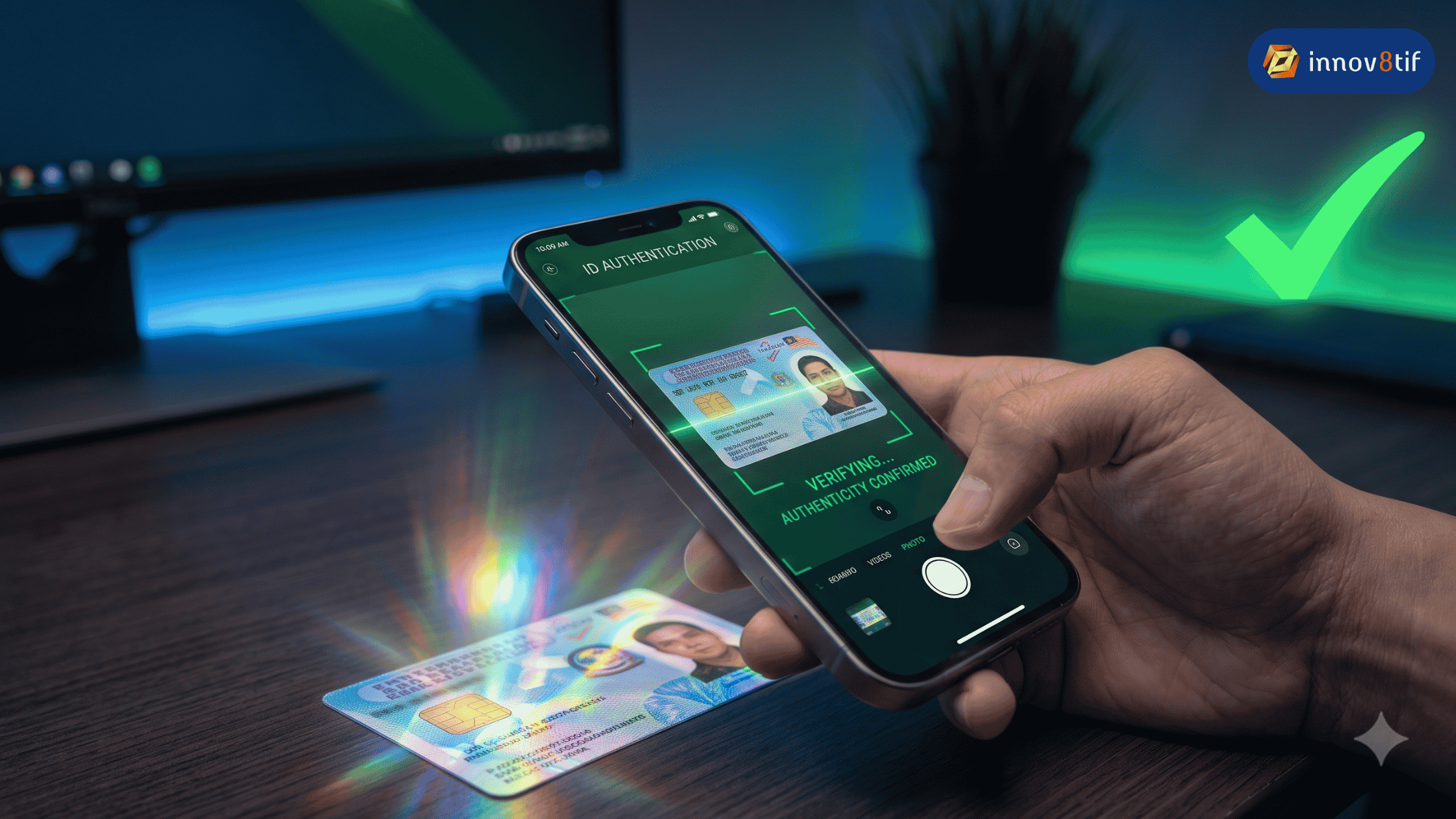
Spotting Fake IDs: How Hologram Tech Keeps Online Sign-Ups Safe

Fraud Prevention Best Practices: Staying Ahead in the Digital Age
Fraud has evolved into one of the most pressing challenges for businesses in the digital age, specifically in industries where trust and identity verification are critical, such as banking, insurance, telecommunications, and e-commerce. Fraudsters are after one thing, and one thing only: your perso

Fraud Prevention in the Digital Age: How AI is Transforming the Fight Against Scams
The onset of the digital age has ushered in remarkable innovations that we never would have thought possible a decade ago. Everything, from the way we work to the way we live our daily lives, has been drastically streamlined by technological advances. However, this progress comes with a double edge