
Posthumous Digital Identity Management: The Ethics of Balancing Privacy and Legacy Preservation
Imagine this scenario: You’re nearing the end of your natural life and one of many thoughts lingers in your mind — what will happen to your digital profile after your inevitable passing? Granted, you probably have one or more social media accounts with years of content chronicling your life’s story. The question presented is should your digital profiles be deleted out of respect for privacy or passed on to your next of kin to be managed as a memorial page?
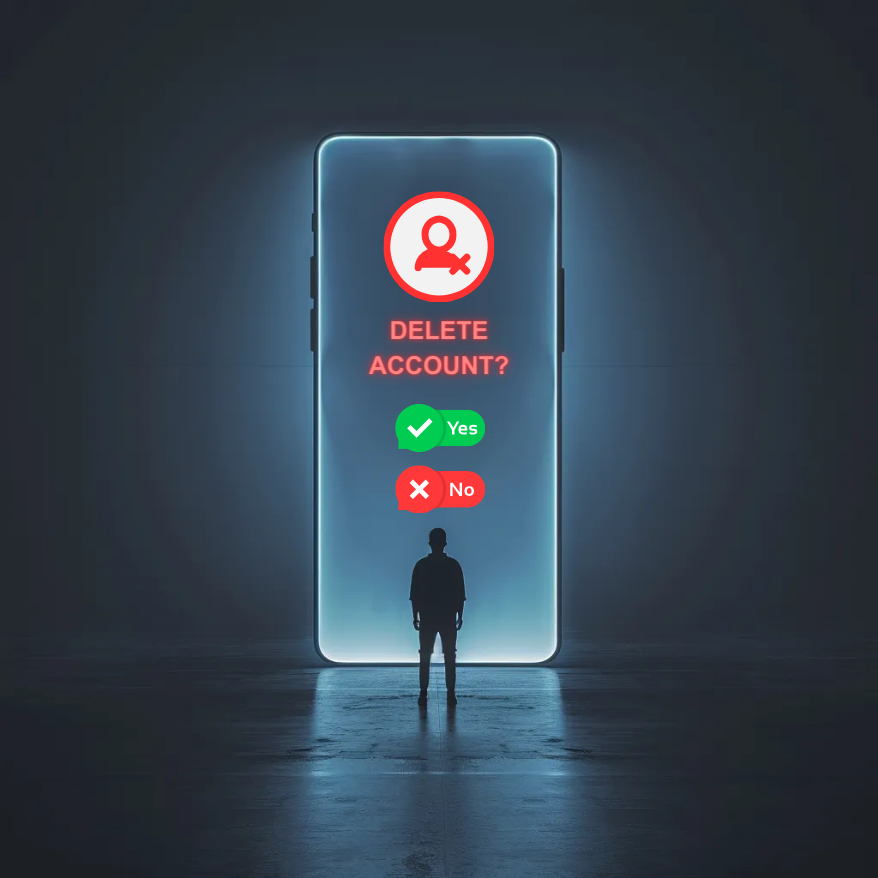
In today’s digital age, almost everyone has a significant amount of their lives stored and managed online. This includes social media profiles, email accounts, digital photos and videos, among many others. Consequently, managing one's digital legacy has also become a pressing concern for many individuals and their loved ones.
Our digital footprints will undeniably outlast us and this is because everyone has at least some kind of presence online. The question of what happens to our online presence after we pass away has become increasingly important.
What is Posthumous Digital Identity Management?
Posthumous digital identity management refers to the process of managing and handling a person's online presence and digital assets after their death.
Individuals have substantial digital footprints in the form of social media accounts, email accounts, online banking, digital photos, documents, and other digital assets. When a person passes away, their digital identity and assets need to be managed in accordance with their wishes or compliance with legal requirements.
The Ethical Complexities of Posthumous Digital Identity Management
The ethical dimensions of posthumous digital identity management are unfortunately not so clear-cut. It centres on the argument between respecting the privacy of the deceased and preserving their legacy for future generations.
-
On one hand, there's the desire to honour the wishes of the departed by protecting their personal data from exploitation or unauthorised access.
-
On the other hand, there's also an acknowledgement of the inherent value of their digital properties — photos, posts, emails — that serve as a cumulative history of a person's life and may hold significance for their family, friends, or any parties concerned.
There is much cause for concern that bad actors might impersonate a deceased person’s identity to commit fraud. According to USAtoday, ‘Ghost hackers’ are impersonating departed loved ones by hacking into their now-vacant social media accounts and messaging loved ones requesting money or luring them into a potential scam. Ghost hackers tend to monitor obituaries and death notices for their potential targets.
Protecting the Deceased’s Privacy

Individuals often share intimate details of their lives online, whether they are personal thoughts, written works, to photographs capturing cherished memories. After death, the question of who has the right to access and control this sensitive information leaves much food for thought.
Succession law and additional legislation are needed to empower individuals to make testamentary decisions about the posthumous treatment of their digital accounts and assets. Private service agreements alone are inadequate to protect posthumous privacy.
While some argue for the complete erasure of a deceased person's digital footprint as a means of respecting their privacy, others might advocate for a more nuanced approach that balances privacy with the preservation of valuable digital assets.
Legacy Preservation

In addition to privacy considerations, there's the issue of legacy preservation. Digital platforms have become virtual archives of our lives, chronicling our experiences, relationships, and achievements.
For many, these social media profiles may hold sentimental value and serve as a means of connecting with the memories of the departed.
Managing a digital legacy is not without its challenges. Without clear guidance or legal frameworks in place, family members may find themselves struggling with questions regarding access, ownership, and the appropriate handling of digital assets. In the absence of explicit instructions from the deceased, navigating these issues can be paved with uncertainty and potential conflicts.
What is the Best Approach to Digital Management After Death?
One approach to addressing the ethical dilemmas surrounding posthumous digital management is through proactive planning.
-
Just as individuals draft wills to specify how their physical assets should be distributed after their death, they can also take steps to outline their wishes for their digital assets.
-
This may involve designating a digital executor. Think of a digital executor as a lawyer who, instead of handling physical assets, is tasked with dealing specifically with digital property. This trusted individual will be tasked with managing one's online accounts and digital presence according to their wishes.
-
Digital platforms themselves can play a role in facilitating posthumous management. Many platforms now offer features such as legacy contacts, which allow users to designate someone to manage their account after they pass away.
-
An example would be Facebook’s Legacy Contact feature which allows family members to manage and convert their deceased loved one’s Facebook profile into a ‘legacy page’, which effectively memorialises their profile and preserves all the content shared by the deceased before death.
These options can provide individuals with greater control over the fate of their digital legacy while also offering peace of mind to their loved ones.
Bottom Line
Ultimately, the ethics of posthumous digital management involves a delicate balance between respecting the privacy of the deceased and preserving their legacy for future generations. While many may express concerns over the privacy and security of a deceased person’s online assets, others will seek to preserve whatever was left behind as a sort of eternal monument to the memory of someone who meant so much to others in life.
There is a wide range of user preferences around what should happen to different types of digital accounts after death, with many favouring deletion or transfer to next of kin for more personal accounts. However, there is no clear consensus, highlighting the need for flexible policies and user control
By engaging in thoughtful planning and leveraging available resources, individuals can navigate this complex terrain with sensitivity and integrity, ensuring that their digital footprint reflects their values and aspirations long after they're gone.
Related articles
Spotting Fake IDs: How Hologram Tech Keeps Online Sign-Ups Safe

Fraud Prevention Best Practices: Staying Ahead in the Digital Age
Fraud has evolved into one of the most pressing challenges for businesses in the digital age, specifically in industries where trust and identity verification are critical, such as banking, insurance, telecommunications, and e-commerce. Fraudsters are after one thing, and one thing only: your perso
Fraud Prevention in the Digital Age: How AI is Transforming the Fight Against Scams
The onset of the digital age has ushered in remarkable innovations that we never would have thought possible a decade ago. Everything, from the way we work to the way we live our daily lives, has been drastically streamlined by technological advances. However, this progress comes with a double edge