
Metaverse and the Future of Computer Vision
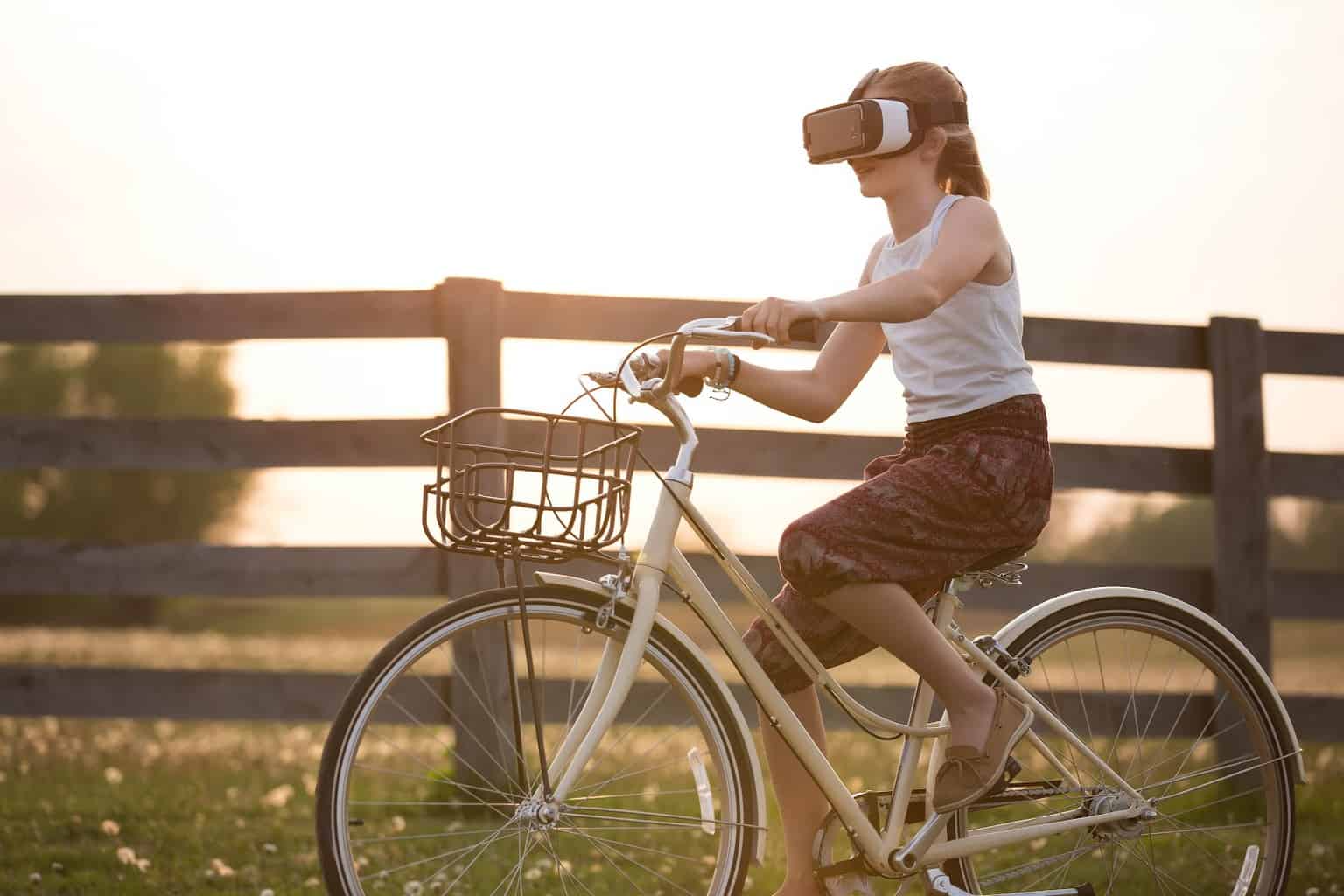
Metaverse - a new phase of interconnected virtual experiences using technologies like virtual and augmented reality. At its heart is the idea that by creating a greater sense of “virtual presence”, interacting online can become much closer to the experience of interacting in person. Imagine users having their own virtual avatars in the metaverse which are analogous to their physical self, allowing them to enjoy an alternate life in a virtual world.
 |
| Source: pexels.com |
Content creators can engage with digital creations that are linked to physical counterparts. A large ecosystem that includes culture, business, social norms, and laws and regulations (such as data ownership), can support these digital creations — which are supplemented by protective and additional measures including biometric security and even business-related tools that enhance digital experiences such as digital customer onboarding.
Artificial Intelligence will be used to enable, populate, and sustain the metaverse (AI). It will power the metaverse's seven technology layers, including spatial computing, scaffolding for creators, and new and sophisticated kinds of narrative. Few people appreciate how swiftly artificial intelligence is developing. Before the formation of these innovative neural networks, AI had already made significant progress: voice recognition in Alexa, machine vision (such as that used in Tesla's autonomous driving systems or Google image recognition), and algorithms that appear to surface things on social media that elicit reactions from us.
Indeed, it is thought that it might be to Virtual Reality (VR) what the present smartphone is to the 1980s' cumbersome mobile phones.
Instead of using a computer, you may use a headset to visit a virtual world that connects many digital worlds in the metaverse. Unlike current VR, which is mostly used for gaming, this virtual environment could be used for anything, including work, play, concerts, movie trips, or just hanging out.The metaverse is generating a lot of buzz among affluent investors and big tech companies, and no one wants to be left behind if it turns out to be the internet's future. For the first time, there's a sense that the technology seems to be almost there, with breakthroughs in virtual reality gaming and networking approaching what's required.
Metaverse biometrics
Virtual reality interaction is now accomplished using headgear and gloves, as well as additional sensors placed on the body. Beyond communicating the user's movement in a game or virtual meeting, these might already collect data on them. It was possible to track gait, eye movement, and physiological reactions. Scanning faces or pictures to build virtual replicas of real-life likenesses could open new avenues for biometric misuse. Smartphone users may have already allowed their phones to perform a 3D scan of their faces to generate a Memoji — a personalised, animated emoji – of themselves.
For marketing objectives, user behavior could even be tracked. While existing internet users reveal their interests by what they search for online, tracking in the metaverse might detect what users look at with their heads and even simply their eyes. This form of Metaverse biometric data would be classified as a separate category, not included in existing marketing consent or GDPR categories. Given that the metaverse connects an unknown number of spaces, it's unknown how any agreements on user data and biometrics would be communicated, or whether real-life biometric security and verification would be required for a user to travel from one space to another virtually.
Interfaces that go beyond visors and external sensors might, of course, obliterate our existing concept of biometrics. A new sort of metaverse biometrics could be produced with brain-specific indicators giving user verification and authentication if technology advances to implant that interface (more) directly with the brain. The GDPR would have to be updated.
Metaverse to Increase Efficiency and Reduce Costs
The metaverse is now being examined as a world where new industrial, social, and cultural values are produced when the real and virtual worlds begin to interact and affect each other because of the epidemic. Users of the Metaverse actively use the digital realm to unveil and communicate their various identities that are not based on reality. Metaverse can help you save time and money. The hardware and software costs generated in the physical environment can be considerably minimised because everything takes place in the virtual realm. In the case of SMEs, you can create and use a training institute in the metaverse, as well as virtual offices.
Furthermore, the metaverse can make the socially isolated setting more efficient. Avatars and video chat functions can be utilised simultaneously on the platforms, and users can even share data while on video calls. If you use the metaverse platform 'Gather Town' to construct a virtual training center, for example, you can train your staff through data sharing, team learning, presentations, and conversations conducted by all participants. Users can express their thoughts as avatars via various metaverse communication methods, making it easier for anyone to voice themselves freely.
Interface Optimisation
Computers are improving at recognising gestures, allowing us to connect with them more naturally — and eventually, comprehend emotion and body language. The photoreceptors in your eye are densest in a region called the fovea — that's where your highest resolution perception exists, and everything else is your peripheral vision. Another key part of the immersive interface for VR is eye-tracking; which typically works by continuously measuring the distance between the pupil center and the reflection of the cornea – the distance changes depending on the angle of the eye. An infrared light, invisible to the human eye, creates this reflection while cameras record and track the movements. Computer vision algorithms are able to deduce from the angle of the eyes where the gaze is directed. Virtual reality must offer the most accurate information in the area where your eye is focused.
AI is being used to forecast where your eye will glance next, even when you're blinking so that the best rendering can be prepared ahead of time. This is critical for providing the most immersive experience, and it will be critical for next-generation technologies like holographic light fields, which require a massive increase in graphics processing. Travel and tourism companies can use these technologies as digital customer onboarding and biometric security to ensure their clients have a high amount of seamlessness and ease during their holidays.
Fusion of Language and Vision
Visual space contains intricate data that can influence how words and narratives are written, resulting in more realistic AI storytelling, creative collaboration, and machine understanding. The possibilities for use in the metaverse are enormous. Users will be able to digitise their actual physical surroundings and interact with each other as lifelike human images rather than cartoonish avatars in pre-built virtual worlds in the greatest form of it.
Giving people the tools they need to smoothly integrate the actual world with the virtual world's limitless flexibility would pave the road for all of us to teleport to anyone's surroundings anywhere on the planet. We will be able to more successfully create future products, meet and cooperate with distant colleagues, and experience any remote location in real-time in the reality-based metaverse.
Why do we want the metaverse?
Facebook no longer wishes for us to live in "The Matrix." After all, the modern metaverse begins in our pockets and watches. It's profitable because of its accessibility, not because of its immersion. Companies pushing for metaverse functionality want to make sure that consumers have regular access to anything related to where they are, even if it's not what they see, hear, or smell. This minor difference is crucial; it is what determines the metaverse's success. Social media isn't meant to replace face-to-face contact; rather, it's meant to improve it. Similarly, the metaverse can only be successful if a superior form of reality is 'layered' on top of our own. The metaverse must be enhanced, mediated, and enriched.
So, there's machine learning. What role will it play in the metaverse? What is it doing now, or, more significantly, what is it planning to do? Everything is a simple answer. It might propose that you go to a pub or a coffee shop depending on what time of the day you open your Maps application. After a few travels, it can tell your home from your business, which is something a map can't always do. Inferences about us are fueled by our history of contacts with the world, which is collected and synthesized by the technologies we use.
Ultimately, the metaverse concept is still in its infancy, and there’s much more to be discovered along the way. However, it’s clear that the potential of the metaverse and its impact on the way we utilize and understand machines or computer vision could be massive.
Related articles
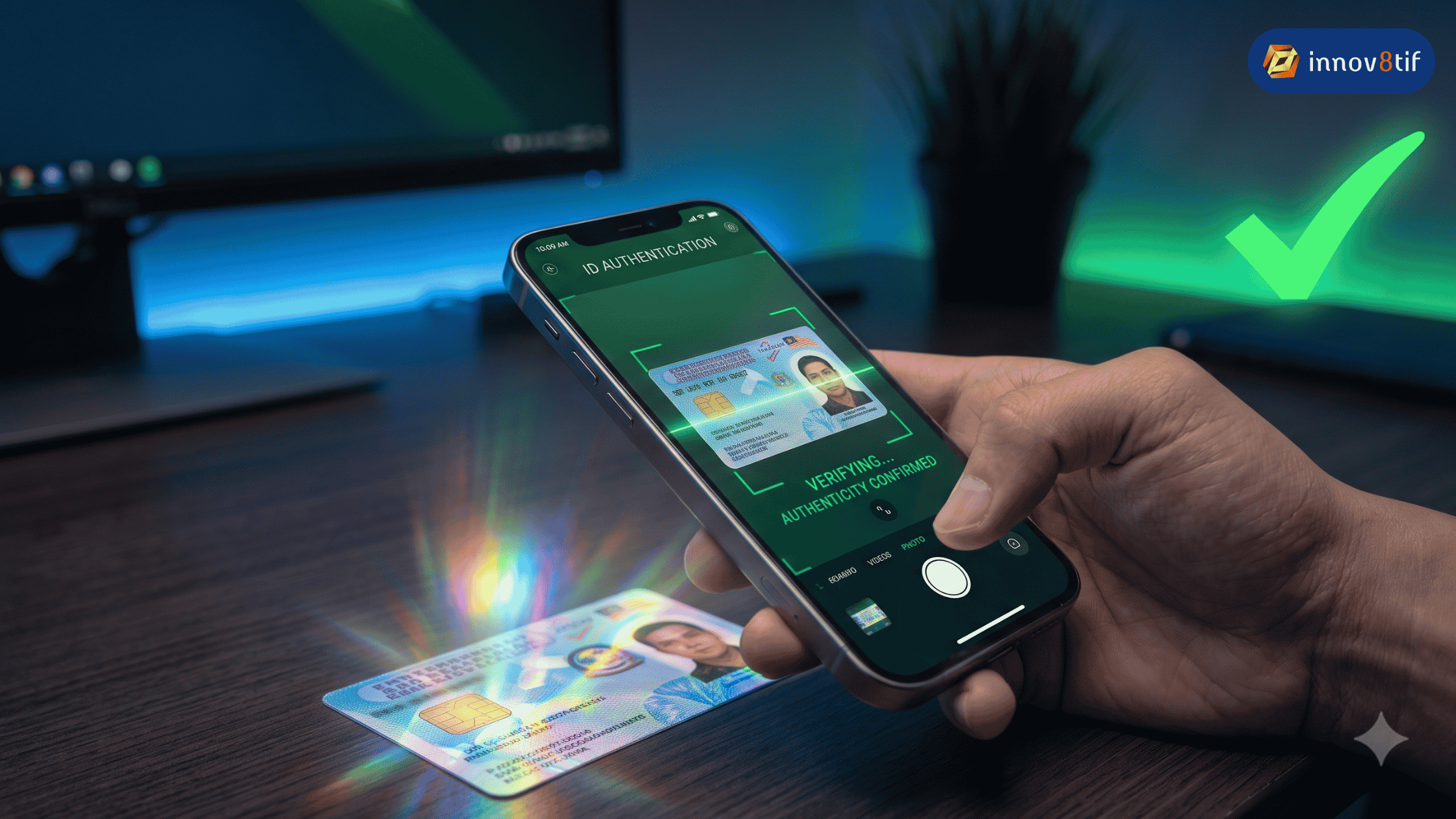
Spotting Fake IDs: How Hologram Tech Keeps Online Sign-Ups Safe

Fraud Prevention Best Practices: Staying Ahead in the Digital Age
Fraud has evolved into one of the most pressing challenges for businesses in the digital age, specifically in industries where trust and identity verification are critical, such as banking, insurance, telecommunications, and e-commerce. Fraudsters are after one thing, and one thing only: your perso
Fraud Prevention in the Digital Age: How AI is Transforming the Fight Against Scams
The onset of the digital age has ushered in remarkable innovations that we never would have thought possible a decade ago. Everything, from the way we work to the way we live our daily lives, has been drastically streamlined by technological advances. However, this progress comes with a double edge