
4 Digital Trends that are Propagating Contactless Behaviour for The Low-Touch Economy
Over the last few years, major changes have occurred in the payments space. As we move into a new decade, change is likely to continue. Payment patterns for 2020 appear to push the market in a far more consumer-centred direction, focusing on how payments can be made as simple and convenient as possible. With recent events, fear stirred by the pandemic and a looming recession has magnified this push towards a more consumer-centred approach.
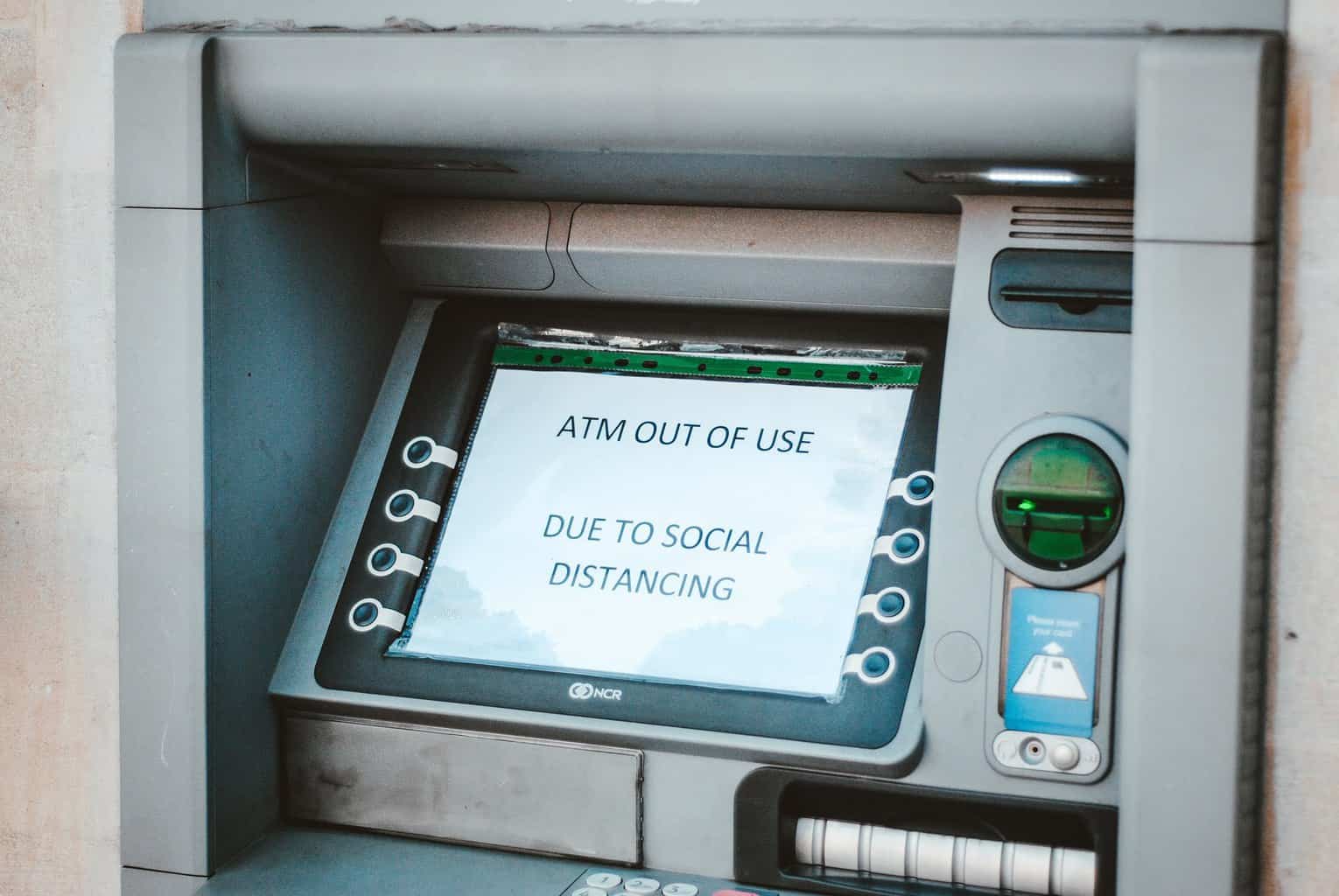
Digital trends are underway. These prompt contactless behaviour in the name of economic survival and continued digital transformation.
Biometric Authentication
Consumers have been using their fingerprints to unlock their smartphones for many years. These same fingerprints also allow for mobile banking transactions and mobile payments. Corporations, consumers and service providers all rely on fingerprints or other kinds of biometric identification tech to make payments much more effective, accurate and safe. Security via reinforced authentication also drives seamless online experiences.

Biometric authentication solves a very relevant problem that gets in the way of contactless payments. As one could imagine, the pandemic has brought fear to contact-based biometrics, such as fingerprint scanner. India's local authorities were also seen instructing businesses to stop the use of fingerprint-based biometric system to curb COVID-19. This trend has given a rise to requirements for contactless biometrics, such as facial and iris recognition.
Reliability, authenticity and trust are all concepts that are not as strong online as they are in ‘real life’. Biometrics revolve around stronger components that relate to self-identification. These can fortify systems, software and platforms, particularly those that involve financial details and other sensitive information prone to being affected by cybercrime.
An Urgent Requirement for Faster Internet
The speed of 5G and its near-instant connectivity, as well as improved connection density, can impact remote communication. The ability to work remotely has become a top priority for many companies and businesses. For the most part, there are two prominent areas that are being focused on - telehealth and teleconferencing. After all, these two areas are crucial for the continuation of enterprise operations during the pandemic. As a direct result, the increased dependence on aspects of communication might strengthen the demand for developments like 5G.
A Digital Shift in Employee Management
In just a few weeks’ time, society has already undergone a major overhaul in the way companies operate and people’s lifestyle. It is truly impressive how adaptable humankind can be when it needs to – shifting from working in the office to fully working from home. We can see now that teleconferencing is taking the spotlight in these trying times. With a reliance on enterprise tools like Google Meet, Zoom and Microsoft Teams, entire workforce groups can be found managing their businesses from home.
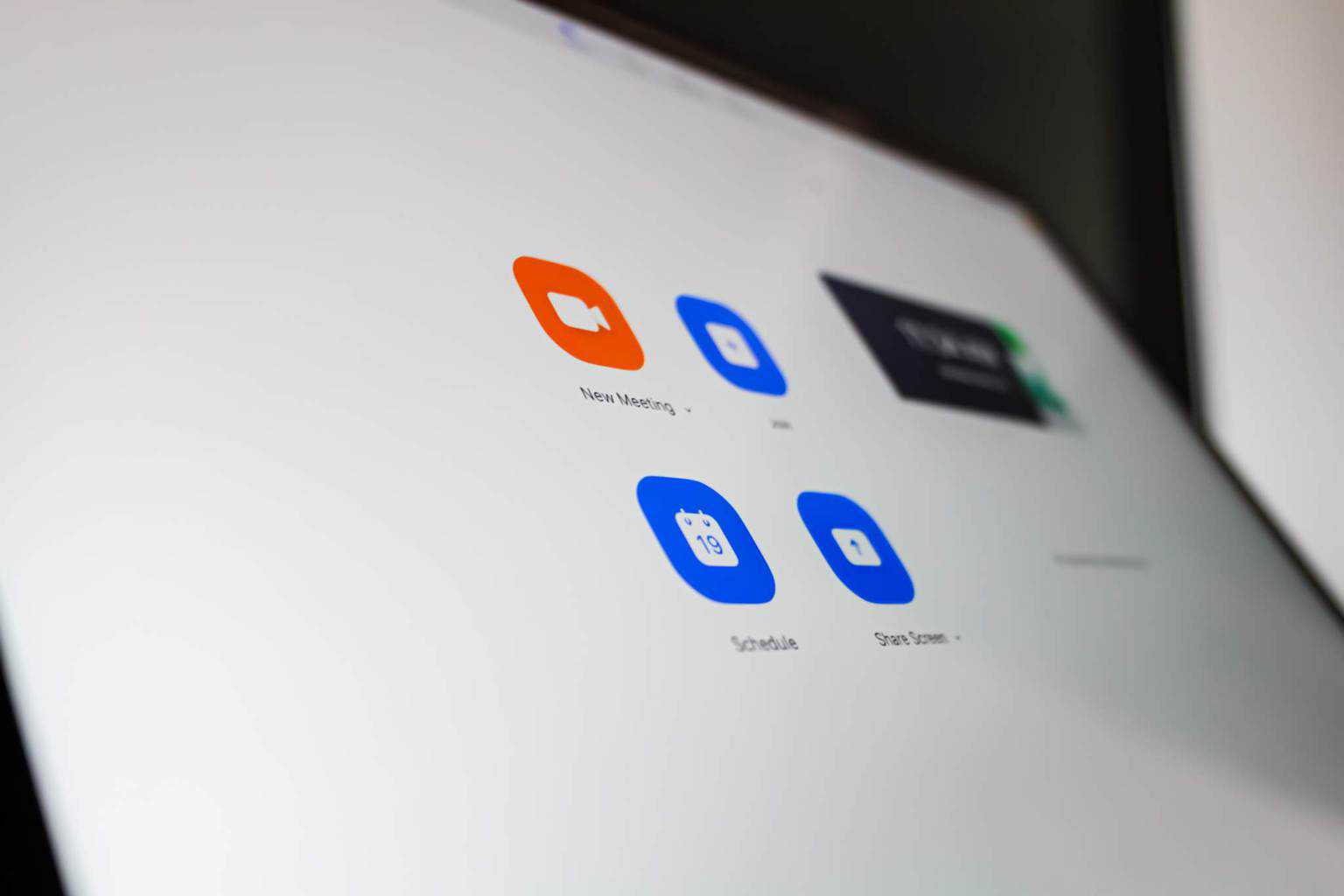
As the trend of remote work becomes prevalent, larger corporations are still adjusting to this change in employee management, while smaller and more agile companies are doubling down on the efficiency of working with peers online.
We cannot deny the fact that there are certain industries that could not jump into the bandwagon, (in this case - working from home), industries like manufacturing, construction, food supply chain to name a few. As the best practice goes, daily recording of employee's and visitor's health status declaration and report can help to create a safer workplace and assist in rapid contact tracing when such need arises. This process is more effectively assisted by technology, such as online forms and integrated thermal temperature screening solution.
The Rise of Cashless Payments

The transition from physical cash towards electronic payments is one of the most significant trends that has been accelerated by the recent crisis. Cashless transactions have been around for some time. Small and mid-size businesses have become spoiled for choice as a variety of payment methods have become openly available. Suddenly, what seemed like an afterthought and a privilege has become a very crucial part of business continuity. Global cash transactions are falling and electronic payment methods are on the rise. This was true before the pandemic, but it has been catapulted even further along since then.
Look out for further optimization of money movement, and a greater focus on transaction speeds reinforced by stronger digital infrastructures and tools. As other parts of the world follow in China's footsteps towards building a cashless society, expect more utilization of contactless payments through mobile or online mediums.
With payments in 2020, a more consumer-centred direction might become more prominent. Simplicity and convenience, fear and contactless behaviour can be counted as key drivers of digital transformation in this day and age. This can affect the ways in which people work, pay and identify themselves. 5G could also become a big part of how communication among colleagues takes place.
Related articles
Spotting Fake IDs: How Hologram Tech Keeps Online Sign-Ups Safe
Fraud Prevention Best Practices: Staying Ahead in the Digital Age
Fraud has evolved into one of the most pressing challenges for businesses in the digital age, specifically in industries where trust and identity verification are critical, such as banking, insurance, telecommunications, and e-commerce. Fraudsters are after one thing, and one thing only: your perso

Fraud Prevention in the Digital Age: How AI is Transforming the Fight Against Scams
The onset of the digital age has ushered in remarkable innovations that we never would have thought possible a decade ago. Everything, from the way we work to the way we live our daily lives, has been drastically streamlined by technological advances. However, this progress comes with a double edge