
Can Facial Recognition Improve Access Control?
Access control is a crucial security technique for businesses and individuals in our increasingly digitalised world.
Traditional access control systems typically relied on key-based mechanisms, access cards, or PIN codes. But recent studies have shown that these methods have inherent limitations.
The introduction of facial recognition technology serves as a complementary tool to improve existing access control systems. It presents a superior solution that is secure, convenient, and efficient.
What is Access Control?
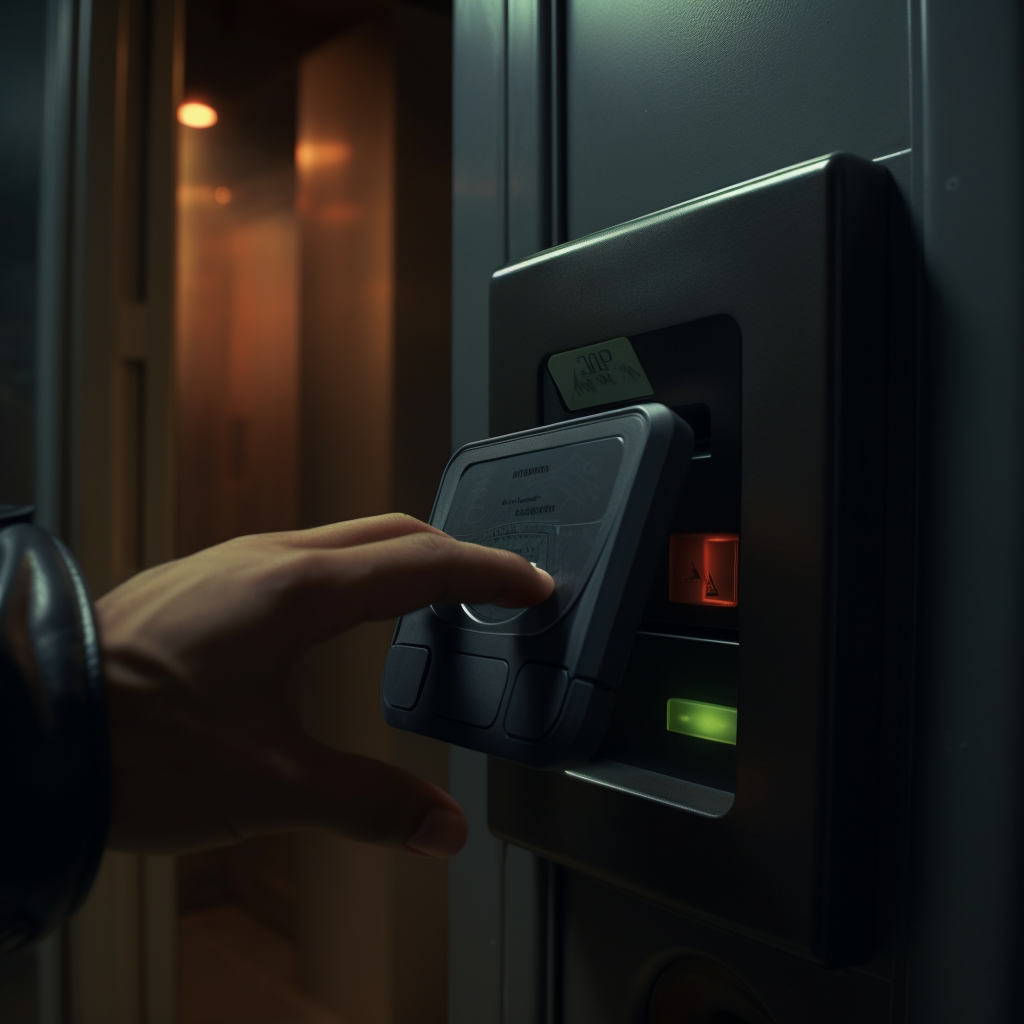
Access control restricts the viewing or usage of resources in a computing environment. It constitutes a security concept that aims to minimise risk to an organisation.
There are two types of access control: physical and logical. Physical access control restricts entry to physical locations such as buildings, rooms, and physical IT assets. On the other hand, logical access control restricts access to computer networks, system files, and data.
What is Facial Recognition?
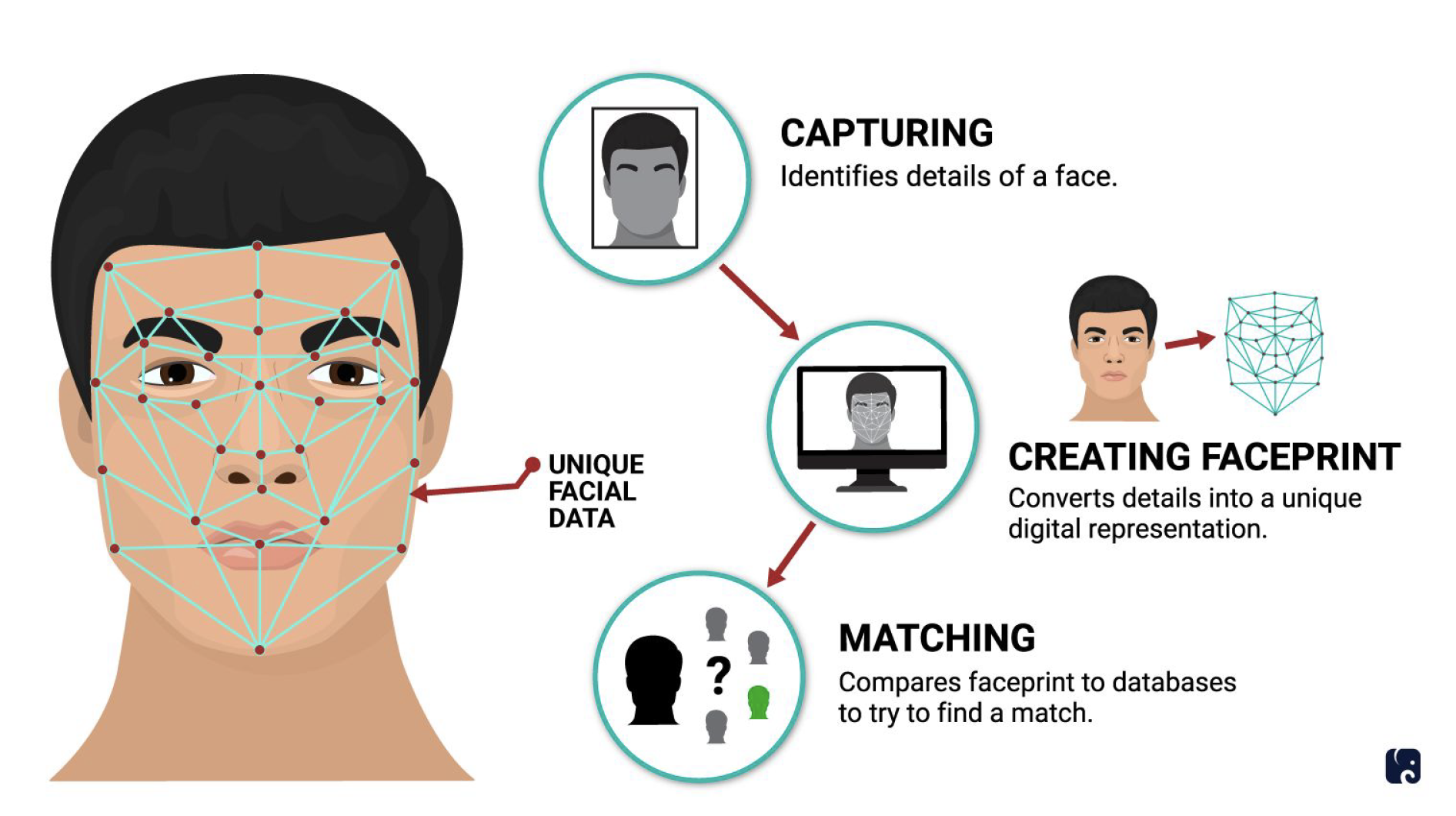
Facial recognition analyses and identifies individuals by examining their facial features. It uses the unique characteristics of a person's face to verify their identity.
Facial recognition systems will capture and analyse specific facial attributes such as eye distance, and nose shape, among other features, to create a digital facial template.
How Can Facial Recognition Improve Access Control?
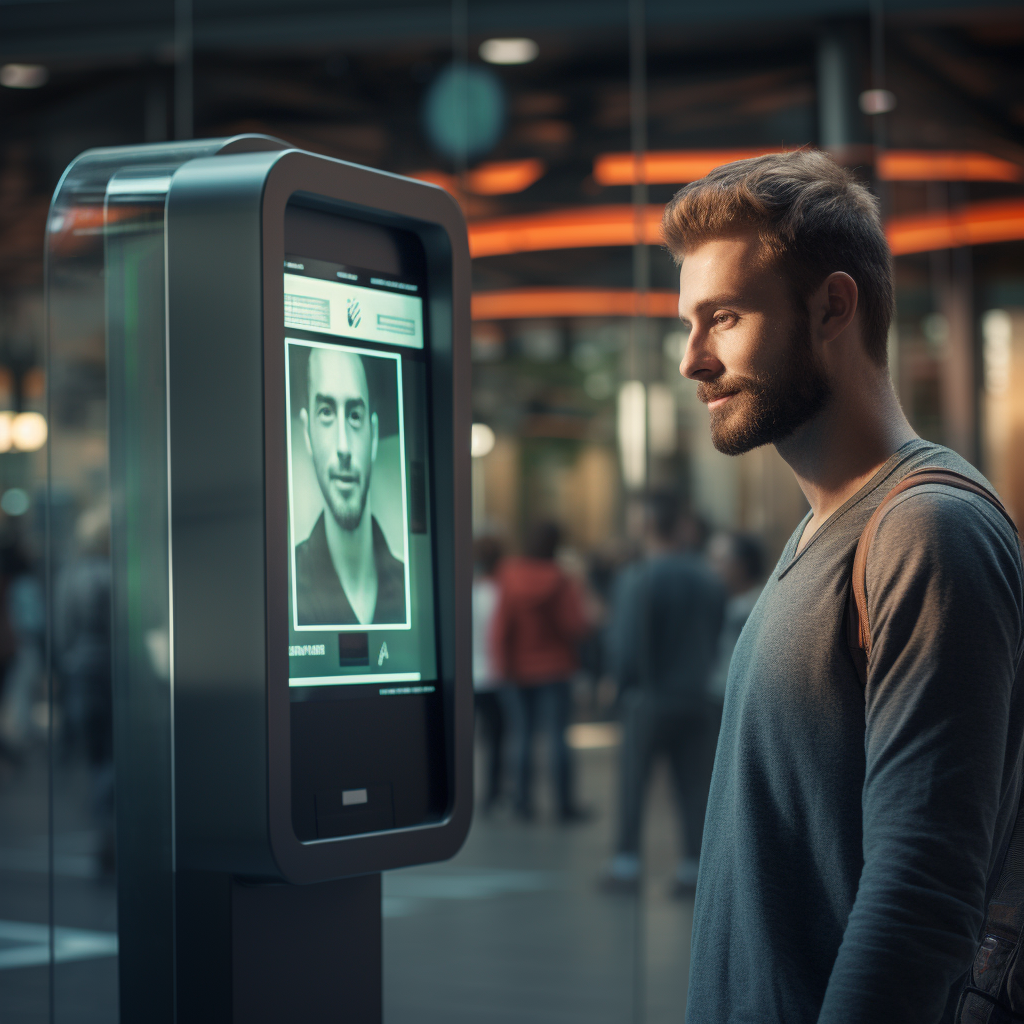
1. Affordable & Simple Biometric Option
Installing facial recognition systems is easy; only a device with a camera is required. They are cost-effective compared to other biometric authentication measures like fingerprint scanners. Cameras are widely available and cheaper to install — they come in the form of existing options such as phones, laptops and mobile kiosks.
2. Faster Processing Times
Facial recognition technology significantly speeds up the identification and verification process. (https://www.frontiersin.org/articles/10.3389/fpsyg.2013.00100/full#:~:text=Results indicate that the fastest,detect faces among other stimuli.) that the fastest at which a face can be recognised by facial recognition systems is around 360–390 ms. It's faster and more convenient than traditional access control methods that require typing PIN codes or passwords. Simply looking at a camera does the job.
3. Improves Security
Passwords and access cards can be easily stolen or misplaced. Facial recognition presents a more secure form of authentication as facial data is much more difficult to steal or duplicate.
Facial recognition verifies a person's identity instead of solely relying on what they have (access cards) or what they know (passwords). This improves security as a person’s facial data is unique to their own. It is worth noting that passwords, access cards, and facial recognition can be implemented together to provide a more comprehensive authentication process.
4. User Convenience
Facial recognition eliminates the need for carrying around physical forms of identification. It also reduces physical contact to mitigate the risk of spreading diseases.
Users would not need to carry anything or touch surfaces, which offers a more convenient verification method to users.
How Does Facial Recognition Work For Access Control?
Facial recognition access control systems need to employ three steps to safeguard the security of a restricted area or data against unauthorised access. These include identification, authentication, and authorisation.
| Steps | Description |
|---|---|
| 1. Identification | This step is to detect the presence of an individual. Through facial recognition, it is possible to determine the identity of anyone entering a building or accessing secure areas or computers. |
| 2. Authentication | After identification, the system authenticates their identity. It is done by matching the users’ face to a stored template in the database. If the user’s face is a match to the one in the database — the user is allowed access. |
| 3. Authorisation | Successful authentication will result in the access control system granting access to secured locations/data baed on predetermined criteria. |
To learn more about the inner workings of facial recognition technolgy -- feel free to read our other article that goes in-depth on how facial recognition technology works.
What Are The Applications Of Facial Recognition Access Control In Different Industries?

Facial recognition access control is applicable to various industries such as finance, healthcare, and retail. Its primary use lies in securing access to restricted areas and electronic data. In the retail sector, this technology can identify and alert retailers of barred individuals.
Bottom Line
Facial recognition technology is a helpful addition to access control systems. The use of biometric authentication helps to elevate the security level of existing access control systems — which at this time, mainly consist of PINs and physical ID cards.
Aside from access control use cases, facial recognition is versatile and can be implemented in virtually any facet of daily life. However, this widespread use is naturally bundled with concerns regarding its reliability and trustworthiness. Visit this page to learn more about how reliable facial recognition technology is.
Related articles
Spotting Fake IDs: How Hologram Tech Keeps Online Sign-Ups Safe

Fraud Prevention Best Practices: Staying Ahead in the Digital Age
Fraud has evolved into one of the most pressing challenges for businesses in the digital age, specifically in industries where trust and identity verification are critical, such as banking, insurance, telecommunications, and e-commerce. Fraudsters are after one thing, and one thing only: your perso

Fraud Prevention in the Digital Age: How AI is Transforming the Fight Against Scams
The onset of the digital age has ushered in remarkable innovations that we never would have thought possible a decade ago. Everything, from the way we work to the way we live our daily lives, has been drastically streamlined by technological advances. However, this progress comes with a double edge